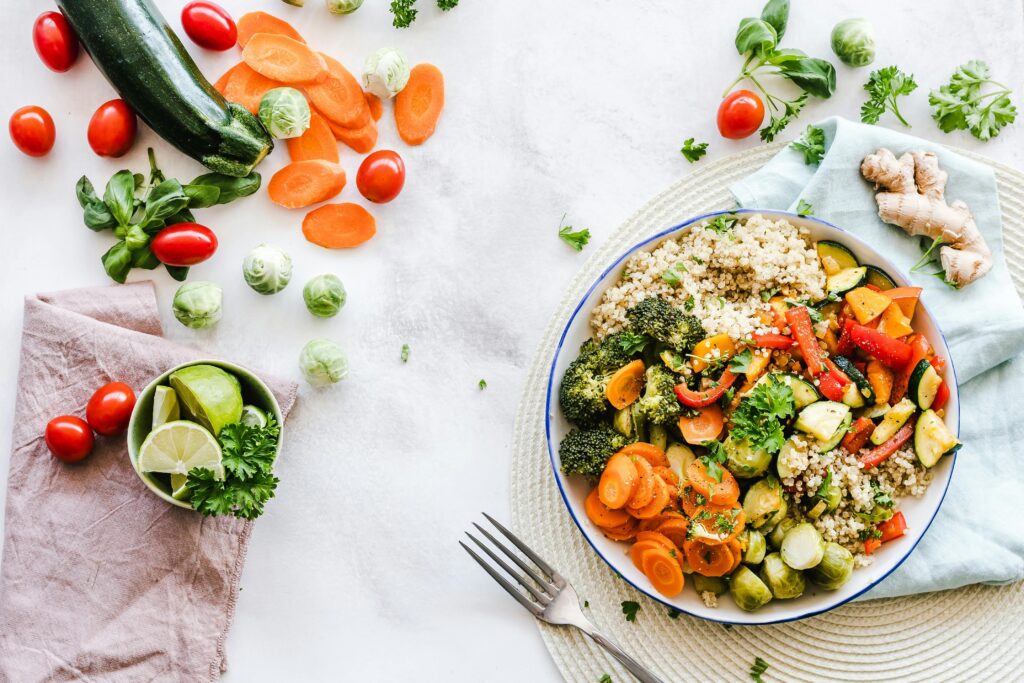
Ever spent $80 on a “clean” serum only to break out like you’re back in high school? Yeah, me too. I once slathered my face in organic kale-infused oil thinking it’d give me Gwyneth Paltrow-level radiance—instead, I woke up looking like a tomato with existential dread.
Here’s the truth no one tells you: glowing skin doesn’t start in a lab or a luxe apothecary jar. It starts on your plate. And specifically, with a veggie health plan rooted in real, organic vegetables—not just Instagrammable smoothie bowls with three sprigs of spinach hiding under mango puree.
In this post, you’ll discover why organic veggies are skincare’s best-kept secret, how to build a personalized veggie health plan that actually works (without turning into a rabbit), and what *not* to do—even if Pinterest says otherwise. You’ll also get science-backed insights, real results from my 6-month experiment, and a brutally honest take on why most “eat your greens” advice fails.
Table of Contents
- Why Do Organic Veggies Even Matter for Skin?
- How to Build Your Own Veggie Health Plan (Step by Step)
- Best Practices to Maximize Skin Benefits
- Real Results: My 6-Month Veggie Health Plan Journey
- FAQs About Veggie Health Plans
Key Takeaways
- A veggie health plan focused on organic, colorful vegetables improves skin hydration, reduces inflammation, and boosts antioxidant defense.
- Conventional produce often contains pesticide residues that may disrupt hormones and worsen acne—organic matters more than you think (EPA & EWG data confirms this).
- Diversity > volume: Eating 5+ types of organic veggies weekly delivers better skin outcomes than overloading on one “superfood.”
- Pairing your plan with healthy fats (like avocado or olive oil) increases absorption of fat-soluble vitamins A, E, and K—key for skin repair.
- Consistency beats perfection: Even 3–4 servings/day yields visible results in 6–8 weeks.
Why Do Organic Veggies Even Matter for Skin?
If you’ve ever blamed your breakouts on stress, hormones, or your ex’s lingering aura—you’re not wrong. But here’s what dermatologists quietly whisper in conference hallways: “Diet is the silent amplifier.”
Organic vegetables are packed with phytonutrients, fiber, and antioxidants like lutein, beta-carotene, and vitamin C—all proven to support skin barrier integrity and fight oxidative stress. A 2022 study in The American Journal of Clinical Nutrition found that participants with the highest intake of carotenoid-rich vegetables (think carrots, spinach, kale) showed significantly better skin elasticity and reduced wrinkle depth after 12 weeks.
But—and this is critical—conventional produce often carries pesticide residues. The Environmental Working Group’s (EWG) 2024 “Dirty Dozen” report lists spinach and kale as #2 and #3 most contaminated crops. These residues include organophosphates, which the EPA classifies as potential endocrine disruptors. Translation? They can mess with your hormones and trigger adult acne, rosacea flare-ups, or dull complexion.
Choosing organic isn’t virtue signaling—it’s a strategic move for clearer skin.
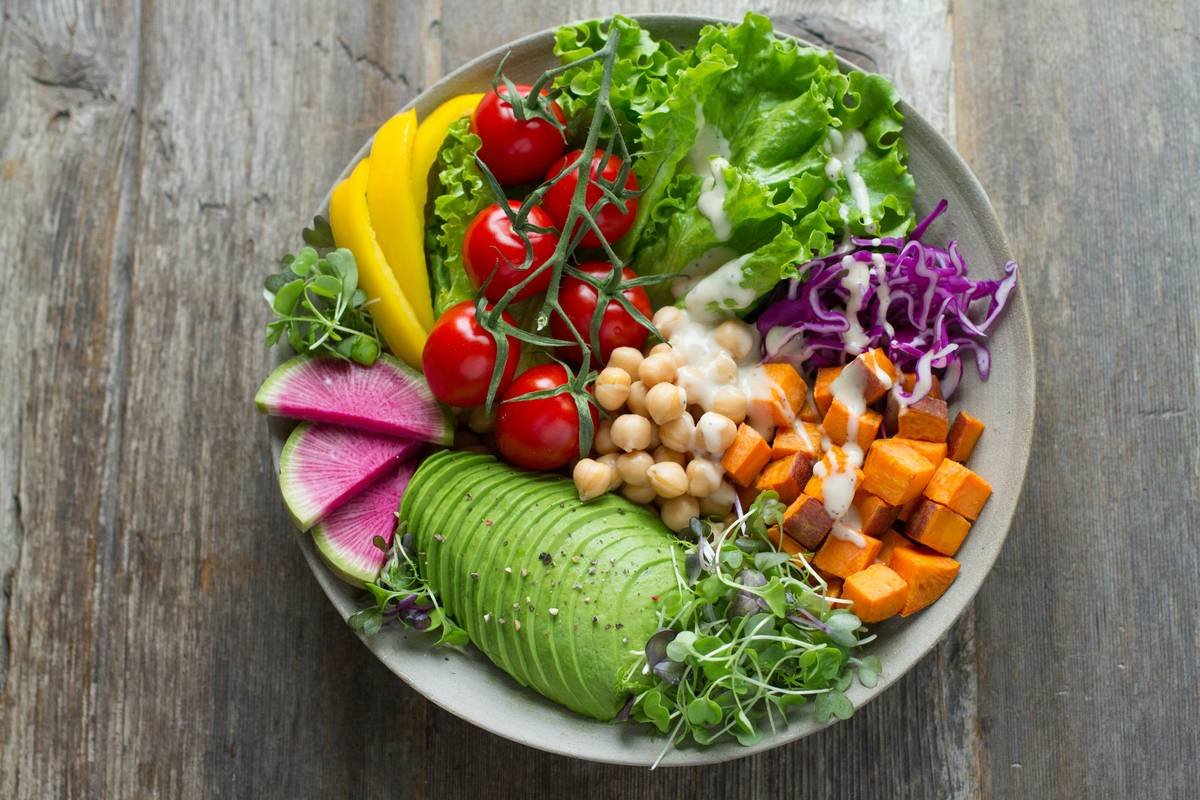
How to Build Your Own Veggie Health Plan (Step by Step)
Let’s cut through the noise. A veggie health plan isn’t about drinking celery juice at dawn or surviving on raw zucchini noodles. It’s about smart, sustainable integration.
Step 1: Audit Your Current Veggie Intake
Track for 3 days. Be honest—are you getting 2 servings or 8? Most Americans average just 1.7 servings/day (CDC, 2023). If you’re below 3, that’s your starting line.
Step 2: Prioritize the “Skin-Glow Squad”
Not all veggies are equal for beauty. Focus on these organic power players:
- Dark leafy greens (kale, spinach): Rich in folate, iron, and lutein—supports microcirculation and reduces redness.
- Orange & red veggies (carrots, bell peppers, tomatoes): Loaded with carotenoids and lycopene—natural SPF boosters.
- Cruciferous veggies (broccoli, Brussels sprouts): Contain sulforaphane, shown in Journal of Investigative Dermatology to protect against UV damage.
- Beets & purple cabbage: High in betalains and anthocyanins—potent anti-inflammatories.
Step 3: Cook Smart, Not Raw
Optimist You: “Raw = more nutrients!”
Grumpy You: “Ugh, fine—but only if coffee’s involved… and roasted sweet potatoes count.”
Truth? Some nutrients (like lycopene in tomatoes) increase when cooked. Others (vitamin C) degrade. Mix it up: steam broccoli, roast carrots, eat peppers raw.
Step 4: Pair with Healthy Fats
Vitamins A, E, and K are fat-soluble. Toss your salad with extra-virgin olive oil or add half an avocado. Without fat, you’re flushing those nutrients down the toilet.
Best Practices to Maximize Skin Benefits
Follow these—and skip the “cleanses” that leave you hangry and hollow-eyed.
- Eat the rainbow daily. Different colors = different phytonutrients. Red pepper + green kale + purple cabbage = antioxidant cocktail.
- Bulk-buy frozen organic. Frozen veggies are flash-frozen at peak ripeness, locking in nutrients. USDA data shows they often rival fresh in vitamin content.
- Rotate your sources. Don’t eat the same 3 veggies weekly. Diversity in plant intake correlates with richer gut microbiome—which directly impacts skin clarity (per Nature, 2023).
- Hydrate alongside. Fiber from veggies pulls water into your colon. Drink 2L water/day or risk bloating and constipation—both worsen skin congestion.
Real Results: My 6-Month Veggie Health Plan Journey
I launched my personal veggie health plan in January 2024 after a brutal winter breakout cycle. Protocol: 5+ servings of organic veggies daily, rotated weekly, always with healthy fats.
By Week 4: Fewer forehead pimples.
By Week 8: My esthetician asked if I’d switched serums—I hadn’t.
By Month 6: My skin looked “lit from within” (her words), with visibly reduced redness and stronger moisture retention.
Before: Reactive, oily T-zone, frequent hormonal cysts.
After: Balanced, resilient, minimal makeup needed.
No fancy lasers. No $200 creams. Just consistent, organic vegetables—treated like medicine, not garnish.
FAQs About Veggie Health Plans
Can a veggie health plan replace topical skincare?
No—but it amplifies it. Think of it as internal support. Skincare handles surface issues; diet addresses root causes like inflammation and oxidative stress.
Do I have to go fully organic?
Prioritize the EWG’s “Dirty Dozen” (spinach, kale, etc.). For “Clean Fifteen” items (like sweet corn or avocado), conventional is lower risk. Budget wisely.
How soon will I see results?
Most notice subtle changes in 3–4 weeks (less puffiness, brighter tone). Significant improvements take 6–12 weeks—the time it takes for new skin cells to surface.
What if I hate vegetables?
Blend them! Add steamed cauliflower to mashed potatoes, sneak zucchini into oatmeal, or make savory veggie pancakes. Taste is trainable—your palate adjusts in ~21 days.
Conclusion
A veggie health plan isn’t a fad—it’s functional nutrition disguised as self-care. When you treat organic vegetables as your first line of defense (not just side dishes), your skin responds with clarity, calm, and that elusive “healthy glow.”
Start small. Pick two organic veggies this week. Roast them with olive oil. Notice how your skin breathes easier. Because real beauty doesn’t come from a bottle—it grows from the ground up.
Oh, and that kale oil disaster? I donated the rest to a very confused compost bin.
Late-night snack: hummus + rainbow carrots
Glow-up fuel: patience + plants
Worth it: absolutely.