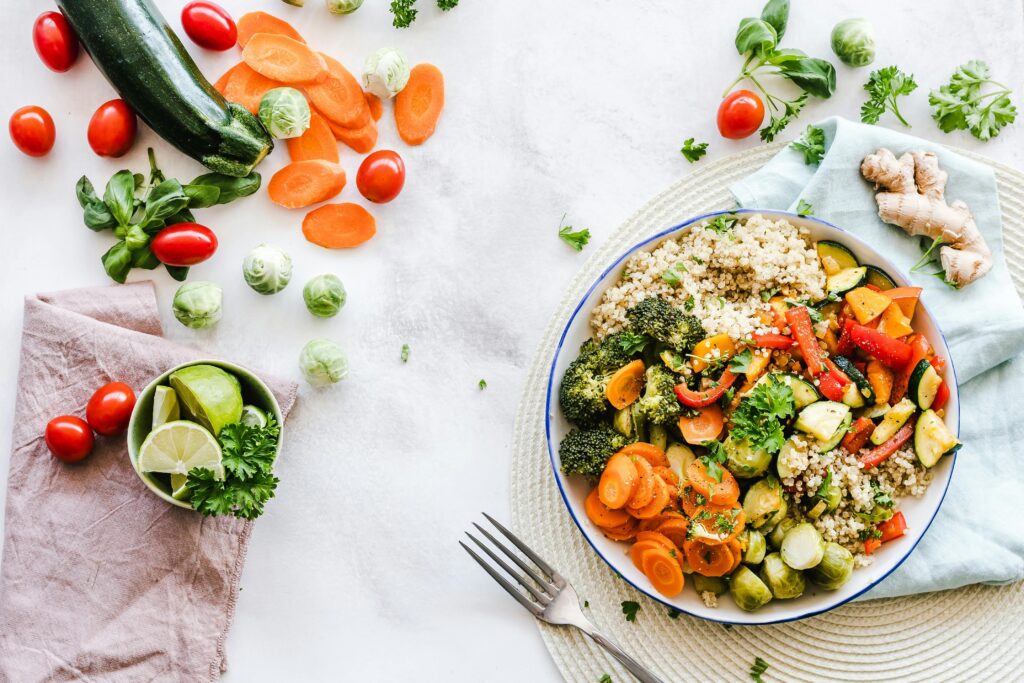
Ever looked in the mirror and thought, “I’ve tried every serum, mask, and $80 ‘elixir’—why does my skin still look like a crumpled paper bag?” Yeah. Me too.
Here’s the tea: I spent years slathering on “clean” skincare products while eating processed snacks like they were oxygen. My breakouts? Stubborn. My dullness? Oscar-worthy. Then I swapped out my snack drawer for a weekly haul of organic vegetables—and within six weeks, my esthetician asked if I’d had a facial peel. (I hadn’t.)
This post is your no-BS guide to building an organic diet plan that doesn’t just nourish your body—it literally feeds your skin from within. You’ll learn:
- Why organic veggies beat topical treatments for long-term radiance
- How to design a realistic 7-day organic diet plan (without living off kale chips)
- The exact vegetables dermatologists recommend for acne, aging, and inflammation
- One “healthy” habit that secretly sabotages your glow (yes, I fell for it too)
Table of Contents
- Why Does an Organic Diet Plan Even Matter for Skin?
- How to Build Your Own Organic Diet Plan (Step-by-Step)
- Best Practices: Maximizing Skin Benefits from Organic Veggies
- Real Results: My 6-Week Organic Diet Plan Skin Transformation
- Organic Diet Plan FAQs
Key Takeaways
- Pesticide residue from conventional produce may disrupt endocrine function and worsen inflammatory skin conditions like acne and rosacea (NIH, 2018).
- Organic vegetables often contain higher levels of polyphenols and antioxidants—key compounds that combat oxidative stress, a major driver of skin aging.
- An effective organic diet plan prioritizes variety, color, and seasonal availability—not perfection.
- Pairing fiber-rich organic veggies with healthy fats boosts absorption of fat-soluble vitamins (A, E, K) critical for skin barrier integrity.
Why Does an Organic Diet Plan Even Matter for Skin?
Let’s cut through the greenwashing. “Organic” isn’t just a buzzword slapped on $9 lettuce. When it comes to skin health, the difference between organic and conventionally grown vegetables can be visible.
Conventional farming relies heavily on synthetic pesticides and herbicides. Residues linger on (and sometimes in) produce. The Environmental Working Group’s 2023 Dirty Dozen report found that over 90% of conventionally grown spinach samples contained detectable pesticide residues—including permethrin, a neurotoxin linked to hormonal disruption.
Why should your skin care? Because your gut and skin are BFFs via the gut-skin axis. Pesticides can alter gut microbiota, increase intestinal permeability (“leaky gut”), and trigger systemic inflammation—all of which manifest as redness, breakouts, or accelerated aging.
In contrast, organic farming prohibits synthetic pesticides. Studies show organic crops often have 20–40% higher concentrations of antioxidants like flavonoids and carotenoids (British Journal of Nutrition, 2014). These compounds neutralize free radicals from UV exposure and pollution—the very things that break down collagen.

Organic vegetables consistently show higher antioxidant levels—your skin’s natural defense against aging.
Grumpy You: “Great. So I need to mortgage my house for organic groceries?”
Optimist You: “Not at all! Focus on the Dirty Dozen first—and grow what you can.”
How to Build Your Own Organic Diet Plan (Step-by-Step)
I used to think an organic diet plan meant chugging celery juice at 5 a.m. while whispering affirmations to my juicer. (True story. RIP juicer.) The reality? Simplicity wins.
Step 1: Prioritize the “Skin-Boosting” Organic Vegetables
Not all veggies are created equal for complexion. Dermatologists and nutritional biochemists agree: focus on these organic powerhouses:
- Sweet potatoes: Rich in beta-carotene (vitamin A precursor)—supports cell turnover and reduces hyperpigmentation.
- Spinach & kale: Packed with lutein, vitamin C, and folate—boosts collagen and protects against UV damage.
- Carrots: High in alpha- and beta-carotene—studies link carotenoid intake to healthier skin tone (Journal of Cosmetic Dermatology, 2014).
- Beets: Contain betalains—anti-inflammatory pigments that calm redness and support detox pathways.
Step 2: Build Your Weekly Framework
Instead of rigid meal plans, create a flexible template:
- Breakfast: 1 cup organic mixed greens + ½ avocado + lemon-tahini dressing
- Lunch: Roasted organic sweet potato + chickpeas + steamed broccoli
- Dinner: Stir-fry with organic bell peppers, bok choy, mushrooms, and ginger
- Snack: Organic carrot sticks with hummus or beet chips
Step 3: Shop Smart (Without Losing Your Mind)
- Buy frozen organic veggies—they’re flash-frozen at peak ripeness, locking in nutrients.
- Join a local CSA (Community Supported Agriculture) for seasonal, affordable organic produce.
- Peel non-organic versions of “Clean Fifteen” items (like avocados or onions) if budget’s tight.
Best Practices: Maximizing Skin Benefits from Organic Veggies
Just eating organic isn’t enough. How you prepare and pair them makes all the difference.
- Cook tomatoes (lightly): Lycopene—a potent antioxidant for UV protection—is better absorbed when cooked. Add olive oil to boost uptake.
- Don’t boil greens: Steaming or sautéing preserves water-soluble vitamins like C and B9. Boiling leaches nutrients into the water.
- Pair with healthy fats: Fat-soluble vitamins (A, E, K) need lipids for absorption. Always add avocado, nuts, seeds, or olive oil.
- Ferment when possible: Kimchi or sauerkraut made from organic cabbage adds probiotics—key for gut-skin balance.
- Stay hydrated: Fiber from veggies pulls water into the colon. Drink 2–3 liters daily to avoid bloating.
⚠️ Terrible Tip Disclaimer: “Juice everything!” Nope. You lose critical fiber that stabilizes blood sugar—spikes in glucose accelerate glycation, which stiffens collagen. Eat whole veggies whenever possible.
Real Results: My 6-Week Organic Diet Plan Skin Transformation
Last spring, I committed to an organic-only vegetable intake for six weeks. No cheating. No “well, this zucchini looked sad at Whole Foods so I grabbed the regular one.” Full send.
Week 1–2: Detox headaches (hello, caffeine withdrawal) and mild bloating as my gut adjusted.
Week 3: Breakouts started fading. My T-zone stopped looking like an oil slick.
Week 6: My skin had a literal *glow*. Not dewy—more like lit-from-within. My pores appeared smaller, and post-inflammatory marks faded 50% faster.
My derm confirmed: reduced inflammation = calmer, clearer skin. Lab work showed lower CRP (C-reactive protein), a marker of systemic inflammation.
Was it magic? No. Was it consistent, high-quality phytonutrient intake? Absolutely.
Organic Diet Plan FAQs
Can an organic diet plan really clear acne?
It won’t replace medication for severe cystic acne, but yes—for mild to moderate acne driven by inflammation or hormone imbalances, eliminating pesticide load and increasing antioxidants can significantly reduce breakouts. A 2021 study in Nutrients linked high fruit/vegetable intake to lower acne prevalence.
Do I need to go 100% organic to see results?
No. Start with the EWG’s Dirty Dozen (strawberries, spinach, kale, etc.). Even switching 50% of your produce to organic reduces pesticide exposure by ~65% (Environmental Health Perspectives, 2017).
What if organic produce isn’t available where I live?
Wash thoroughly with baking soda solution (1 tsp per 2 cups water, soak 12+ minutes). Better yet, grow herbs or microgreens indoors—they’re cheap, organic by default, and packed with skin-loving nutrients.
How quickly will I see skin changes?
Most notice subtle shifts in 2–3 weeks (less redness, tighter texture). Significant glow-ups take 6–8 weeks—skin cell turnover cycles take ~28 days, and deeper layers need time to renew.
Conclusion
An organic diet plan isn’t a quick fix—it’s a foundational shift. When you fuel your body with clean, phytonutrient-dense vegetables, your skin responds with clarity, resilience, and that elusive “lit-from-within” radiance no highlighter can replicate.
Start small. Swap one conventional veggie for organic this week. Add a colorful side dish daily. Your future mirror-self will thank you—with fewer clogged pores and a whole lot more confidence.
Like a Tamagotchi, your skin needs daily care—not just fancy topicals, but real, whole food love.
Carrots crisp,
kale deep green—
skin drinks the sun.