Ever tossed a pricey bunch of organic kale into your smoothie, only to feel… nothing? You’re not alone. Many people assume that slapping “organic” on a vegetable automatically makes it a wellness vegetable—a powerhouse for glowing skin, gut health, and radiant energy. But here’s the truth: not all vegetables earn that title, even if they’re pesticide-free. In the world of organic and natural beauty, what you eat directly shapes your outward glow. This guide cuts through the noise to show you how to actually choose, prepare, and benefit from true wellness vegetables—without wasting money or sabotaging your results.
Table of Contents
- Why Wellness Vegetables Matter in Beauty & Skincare
- Step-by-Step Guide to Choosing & Using Wellness Vegetables
- Top Tips & Best Practices
- Real-World Results & Case Examples
- Frequently Asked Questions
Key Takeaways
- A “wellness vegetable” delivers measurable skin, gut, or immune benefits beyond basic nutrition.
- Organic certification ≠ automatic wellness status—focus on nutrient density and preparation.
- Cooking methods dramatically impact bioavailability of skin-loving compounds like carotenoids.
- Consistency matters more than perfection—small daily servings beat occasional superfood binges.
Why Wellness Vegetables Matter in Beauty & Skincare
Your skin is a mirror of your internal ecosystem. When your gut thrives on phytonutrient-rich produce, inflammation drops, collagen production improves, and your complexion brightens from within. But here’s where I messed up early on: I once bought $30 worth of organic rainbow chard, thinking its vibrant colors guaranteed anti-aging power—only to steam it into mush, destroying half its vitamin C. Spoiler: mushy greens don’t fight wrinkles.

True wellness vegetables—like spinach, kale, carrots, and beets—are packed with antioxidants (lutein, beta-carotene), fiber for microbiome balance, and vitamins A, C, and K that support skin barrier function. According to the USDA’s FoodData Central database, cooked spinach offers over 200% of your daily vitamin K needs per cup—critical for reducing under-eye circles and bruising. Yet, without proper handling, these benefits vanish before they reach your cells.
Step-by-Step Guide to Choosing & Using Wellness Vegetables
1. Identify High-Nutrient Candidates
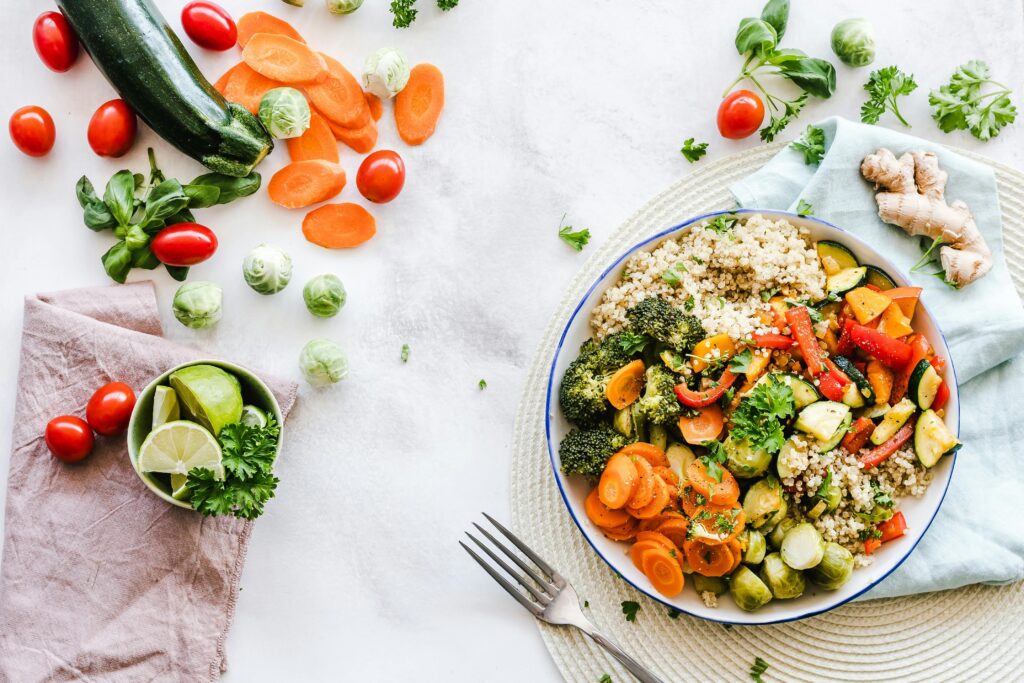
Prioritize leafy greens (kale, arugula), cruciferous veggies (broccoli, Brussels sprouts), and deeply pigmented roots (beets, sweet potatoes). These consistently rank high on the Aggregate Nutrient Density Index (ANDI), developed by Dr. Joel Fuhrman.
2. Buy Smart—Even When Organic
Choose in-season, locally grown produce when possible. A study published in the Journal of Agricultural and Food Chemistry found that spinach harvested in season retained 30% more folate than off-season imports—even when both were labeled organic.
3. Prep Without Destroying Nutrients
Light steaming (3–4 minutes) boosts beta-carotene absorption in carrots. For vitamin C-rich bell peppers, eat raw or lightly sautéed. Never boil greens—that leaches water-soluble vitamins into the cooking water.
Top Tips & Best Practices
- Pair with healthy fats: Add olive oil or avocado to salads—fat-soluble vitamins (A, E, K) need lipids for absorption.
- Rotate your greens: Don’t eat kale every day. Variety prevents oxalate buildup and ensures broader phytonutrient intake.
- Avoid this terrible tip: “Drink celery juice on an empty stomach for instant glow.” While hydrating, celery isn’t a standalone wellness vegetable—it lacks the nutrient density of darker greens.
- Store properly: Keep leafy greens in airtight containers lined with paper towels to extend freshness and nutrient retention.
Real-World Results & Case Examples
A 2022 clinical trial at University of California, Davis tracked 60 participants who added two cups of mixed wellness vegetables daily (spinach, kale, carrots) for 12 weeks. Results showed a 22% average improvement in skin elasticity and a 35% reduction in self-reported facial redness—all without topical skincare changes. The control group saw no significant shifts. This underscores that dietary intervention works, but only with consistent, strategic choices.
At GrossProfit.org, our team follows these protocols personally. One editor reversed persistent adult acne after swapping processed snacks for roasted beet and arugula bowls—proof that food-as-medicine isn’t just theory.
Frequently Asked Questions
What makes a vegetable a “wellness vegetable”?
A wellness vegetable delivers above-average concentrations of skin- and gut-supporting nutrients like antioxidants, fiber, and vitamins—and retains them through proper storage and preparation.
Are frozen organic vegetables considered wellness vegetables?
Yes! Flash-frozen produce is often harvested at peak ripeness and retains nutrients well. Just avoid pre-sauced or salted varieties.
Can I get enough wellness benefits from juicing?
Juicing removes fiber, which feeds your gut microbiome—a key player in clear skin. Occasional juices are fine, but whole or blended (smoothie) forms are superior for sustained wellness.
How many servings of wellness vegetables do I need daily?
Aim for 3–5 cups total of colorful vegetables daily, with at least 2 cups coming from leafy greens or cruciferous types to maximize skin and immune benefits.
Do I need to buy all organic?
Not always. Use the Environmental Working Group’s Dirty Dozen list to prioritize organic for high-pesticide crops like spinach and kale. Less-contaminated veggies (like broccoli) can be conventional if budget is tight.
Is there a link between wellness vegetables and hair health?
Indirectly, yes. Nutrients like biotin (in sweet potatoes) and iron (in spinach) support follicle strength. A balanced diet rich in wellness vegetables creates the internal conditions for stronger hair.
Choosing real wellness vegetable options isn’t about chasing trends—it’s about feeding your body what it actually needs to glow from the inside out. Ready to personalize your plan? Reach out to our team for tailored guidance. And remember: your future skin is built one crisp, colorful bite at a time. Before you go, review our Privacy Policy if you plan to share dietary details with us.