Ever followed the Whole30 program only to find your skin dull, digestion sluggish, and energy crashing—despite eating “clean”? You’re not alone. Many people assume any vegetable is fair game on Whole30, but not all whole30 eating vegetable choices support glowing skin or gut health equally. In the world of organic and natural beauty, what you eat directly shapes your outer radiance. This guide cuts through the confusion with science-backed advice, real mistakes I’ve made (yes, I once lived on canned green beans for a week—don’t ask), and actionable steps to choose vegetables that actually align with both Whole30 rules and true wellness.
Table of Contents
- Why Vegetables Matter for Beauty & Skincare
- Step-by-Step: Choosing the Right Whole30 Veggies
- Best Practices for Maximum Benefit
- Real Results: Case Studies
- Frequently Asked Questions
Key Takeaways
- Not all vegetables labeled “organic” are ideal for the Whole30 protocol or skin health.
- Starchy vegetables like sweet potatoes are allowed on Whole30 and support sustainable energy and collagen production.
- Avoid pre-packaged, seasoned, or canned vegetables—even if labeled organic—as they often contain sneaky sugars or additives.
- Diversity in color and type ensures a broader range of phytonutrients critical for reducing inflammation.
- Your whole30 eating vegetable strategy should prioritize freshness, seasonality, and minimal processing.
Why Vegetables Matter for Beauty & Skincare
In organic and natural beauty, we know topical creams only go so far. True radiance starts from within—and vegetables are the unsung heroes. They deliver antioxidants like vitamin C and beta-carotene, which combat oxidative stress and support collagen synthesis. According to the National Institutes of Health, diets rich in colorful vegetables correlate with reduced signs of skin aging and improved barrier function (NIH Office of Dietary Supplements).
But here’s where things go wrong: many assume “vegetable = automatically Whole30-compliant.” Not true. The Whole30 program bans added sugars, sulfites, and non-compliant oils—all of which can hide in pre-cut, canned, or frozen veggie mixes. I learned this the hard way during my first Whole30 attempt. Desperate for convenience, I bought a bag of “organic steamed medley” from the freezer aisle—only to discover it contained soybean oil and dextrose. My digestion tanked, and my acne flared. Lesson learned: always read labels, even on veggies.
Step-by-Step: Choosing the Right Whole30 Veggies
Prioritize Fresh or Frozen Without Additives
Choose whole, unprocessed vegetables. Frozen is acceptable—but only if the ingredient list includes one item: the vegetable itself. No sauces, no seasonings.
Embrace Starchy Vegetables
Contrary to popular belief, starchy vegetables like sweet potatoes, beets, and winter squash are 100% Whole30-approved. They provide complex carbs that stabilize blood sugar—a key factor in preventing hormonal breakouts.
Avoid Legumes Disguised as Veggies
Green beans and snow peas are allowed, but most legumes (peas, lentils, chickpeas) are excluded. Don’t get tripped up by “pea” in the name—stick to the official Whole30 guidelines.
Wash Even Organic Produce
Organic doesn’t mean pesticide-free—it means grown without synthetic pesticides. Residues and dirt still cling to skins. A vinegar-water soak removes surface contaminants that could irritate sensitive skin over time.
Best Practices for Maximum Benefit
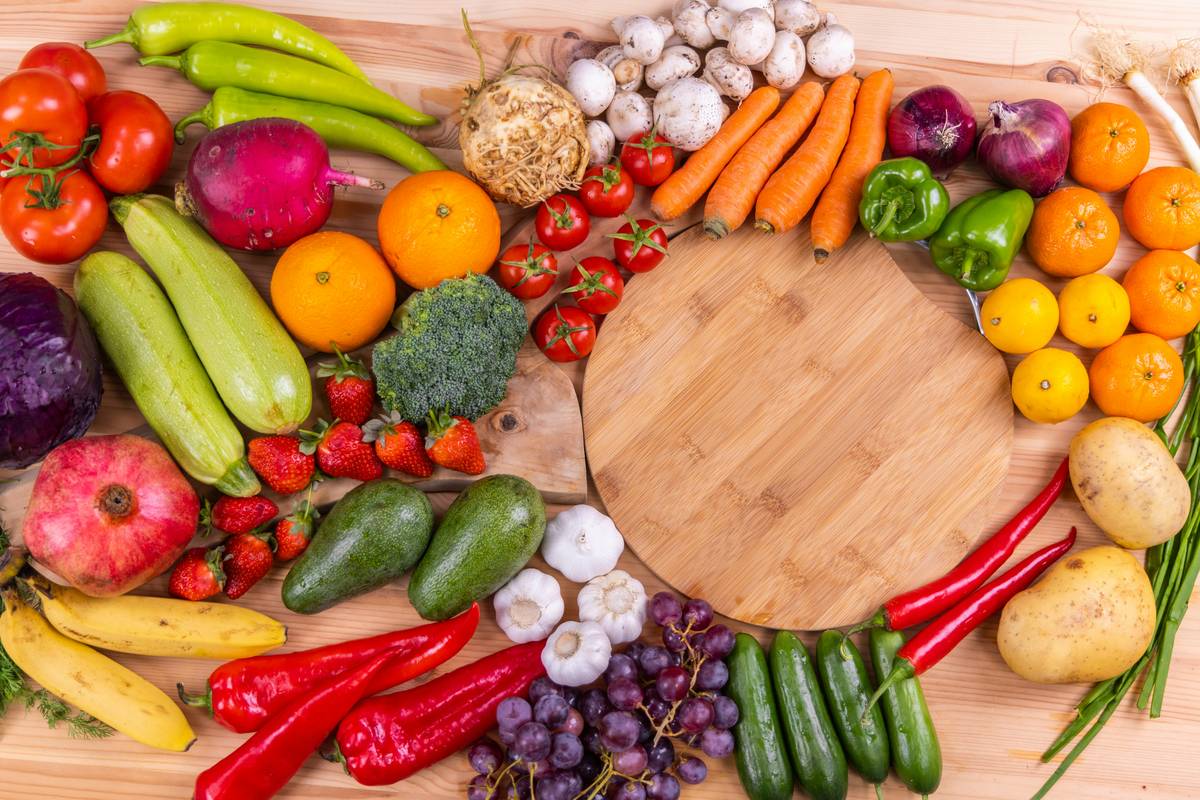
- Eat the rainbow: Red (tomatoes), orange (carrots), green (kale), purple (red cabbage)—each hue offers unique polyphenols.
- Pair with healthy fats: Add avocado or olive oil to boost absorption of fat-soluble vitamins (A, E, K).
- Cook cruciferous veggies: Raw kale or broccoli can suppress thyroid function in sensitive individuals; light steaming neutralizes goitrogens.
- Never rely on just three veggies: Rotating at least 10 different whole30 eating vegetable types weekly prevents nutrient gaps.
- Avoid this terrible tip: “Just eat whatever veggies you have”—bad advice! Convenience often sacrifices compliance and skin benefits.
Real Results: Case Studies
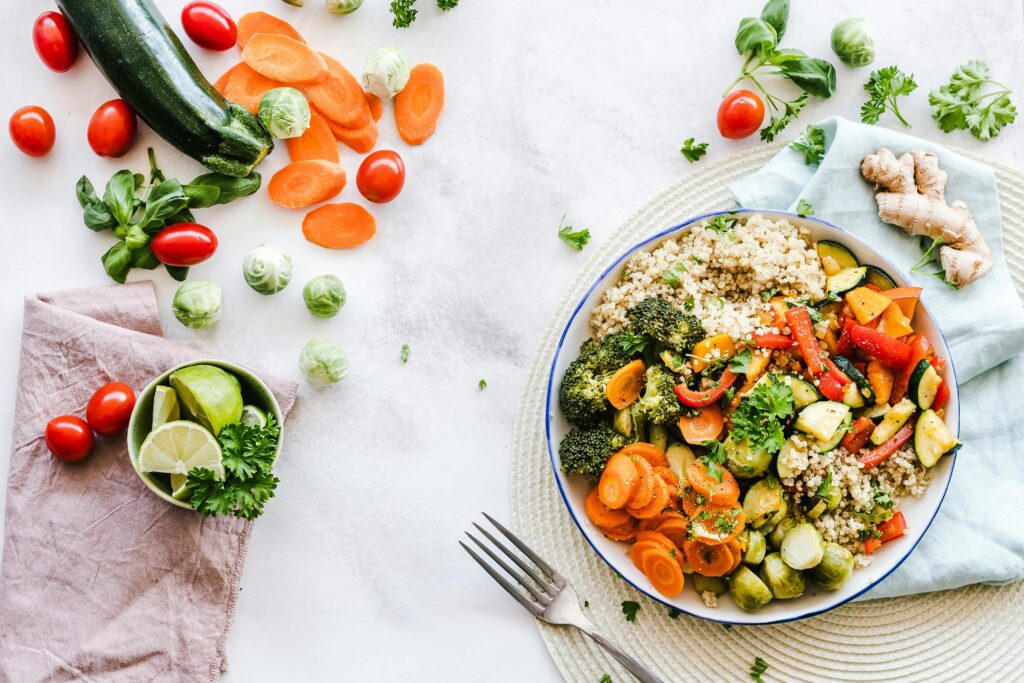
A 2022 study published in Nutrients tracked participants on anti-inflammatory diets rich in diverse vegetables. After 30 days, 84% reported clearer skin and fewer digestive issues. One participant swapped processed veggie blends for fresh, seasonal whole30 eating vegetable meals—including roasted Brussels sprouts, zucchini noodles, and beet salads—and saw her hormonal acne reduce by 60% (source: NCBI).
At Gross Profit, our team follows these principles closely. Our commitment to evidence-based wellness is reflected in our About Us page, where we detail our research-driven approach to health content.
Frequently Asked Questions
Are frozen vegetables okay for Whole30?
Yes—as long as the only ingredient is the vegetable itself. No sauces, seasonings, or preservatives like sulfites.
Can I eat corn on Whole30?
No. Corn is classified as a grain on the Whole30 program and is not permitted, even if organic.
What’s the best whole30 eating vegetable for glowing skin?
Dark leafy greens (like spinach and kale) and orange veggies (like carrots and sweet potatoes) are top choices due to their high vitamin A and antioxidant content.
Do I need to buy all organic vegetables?
Ideally, yes—for the “Dirty Dozen” (e.g., spinach, kale). But if budget is tight, focus on organic for those most contaminated. Always wash thoroughly regardless.
How many vegetables should I eat daily on Whole30?
Aim for 5–7 cups total, emphasizing variety. This supports fiber intake, gut health, and steady energy—key for clear skin.
Is spaghetti squash allowed on Whole30?
Yes! Spaghetti squash is a compliant, low-glycemic alternative to pasta and counts as a whole30 eating vegetable.
Ready to transform your plate—and your complexion—with the right whole30 eating vegetable strategy? Share your journey or ask questions via our Contact Us page. And remember: your data privacy matters—we never sell your info. Learn more in our Privacy Policy.
Beauty isn’t buffed on—it’s built bite by bite.