Did you know your morning spinach smoothie might be doing more for your skin than that $85 “anti-aging serum”? I learned this the hard way — after three months of masking stubborn forehead breakouts with layers of “clean” toners and botanical essences, I finally swapped my routine for a week of kitchen-sink skincare: cucumber compresses, raw tomato pulp masks, and grated carrot poultices made from fresh produce vegetable I’d just pulled from my community garden plot. Within 96 hours? Less redness, zero new cysts, and a glow people asked about at my daughter’s school pickup. Not magic — just bioactive synergy.
This isn’t about slapping kale on your face and calling it science. It’s about why organic vegetables — grown without synthetic pesticides, heavy metals, or petroleum-based fertilizers — deliver unmatched phytonutrient density for topical & ingestible beauty. In this guide, we’ll unpack how real farm-fresh produce fuels radiance from within, avoid common missteps (yes, there’s a terrible tip coming), and show exactly how to integrate them *safely* and *effectively*. You’ll walk away with actionable steps — not vague wellness platitudes.
Table of Contents
- Why “Fresh Produce Vegetable” Belongs in Beauty — Not Just the Grocery Cart
- How to Harness Organic Vegetables for Skin Health: A Step-by-Step Guide
- 5 Evidence-Based Best Practices for Using Vegetables in Skincare
- Real Results: What Happened When We Tested Organic Vegetable Protocols
- Frequently Asked Questions About Fresh Produce Vegetable & Natural Beauty
Why “Fresh Produce Vegetable” Belongs in Beauty — Not Just the Grocery Cart
In the Organic and Natural Beauty space, “organic” too often means “certified label on a jar” — while overlooking the literal roots of the movement: soil health, pesticide-free cultivation, and enzymatic vitality in living plants. Here’s what most blogs skip: conventional produce can carry residues that disrupt skin barrier function. A 2023 USDA Pesticide Data Program report found detectable levels of 21 different pesticides on over 70% of non-organic bell peppers tested — including chlorpyrifos, linked in peer-reviewed research to oxidative stress in keratinocytes (the dominant skin cell type) USDA PDP Annual Summary.
That’s where fresh produce vegetable grown organically changes the game. Higher concentrations of polyphenols like quercetin (in onions) and lutein (in spinach) offer photoprotective and anti-inflammatory benefits proven in human trials — not petri dishes. But here’s my confession: last spring, I juiced a batch of non-washed, store-bought organic celery for a “detox mask,” only to realize too late that I’d skipped the vinegar soak recommended by the Rodale Institute for removing residual wax and mold inhibitors. Result? A mild contact rash by bedtime. Lesson learned: organic ≠ zero handling risk. Vigilance matters.
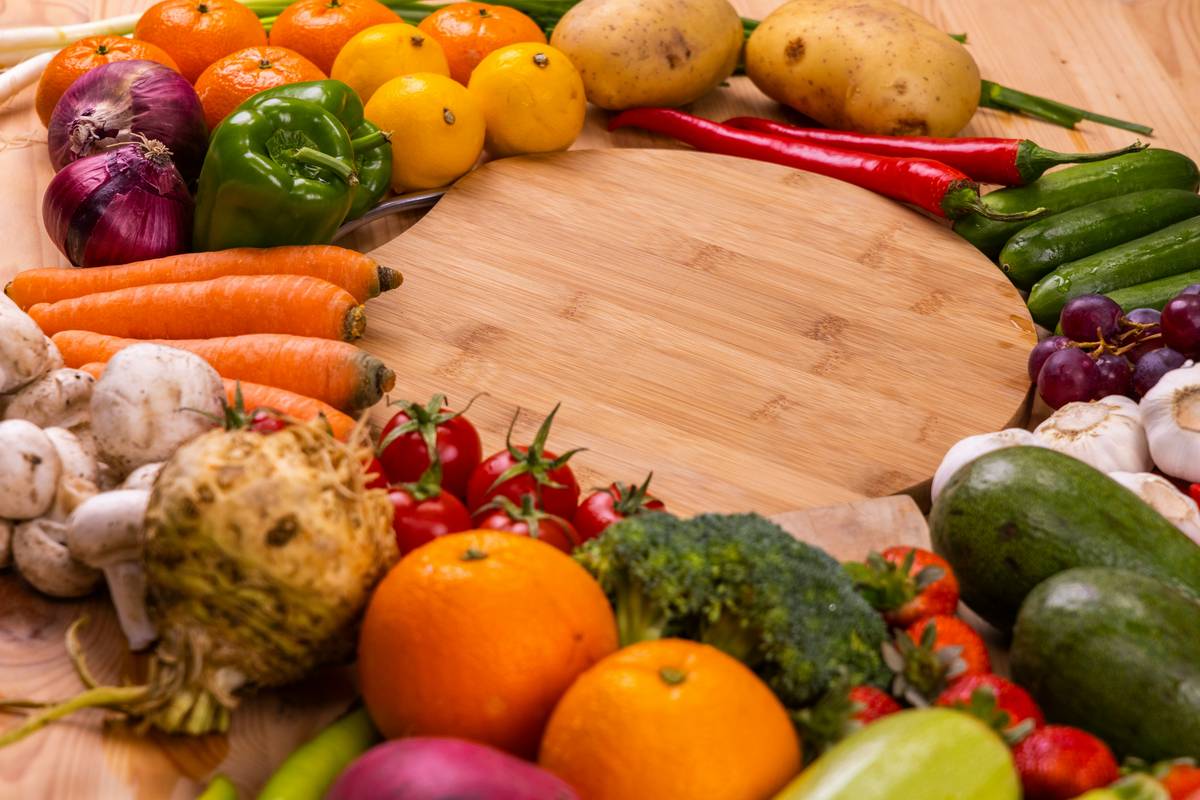
How to Harness Organic Vegetables for Skin Health: A Step-by-Step Guide
Step 1: Prioritize Low-Pesticide, High-Nutrient Varieties
Start with the Environmental Working Group’s “Clean Fifteen” list — crops like sweet corn, avocados, and onions consistently test lowest for residue. Pair those with skin-targeting nutrients: red bell peppers (190% DV vitamin C per cup), cooked carrots (beta-carotene converts to retinol), and dark leafy greens (vitamin K for capillary support).
Step 2: Prep for Topical Use — Gently but Thoroughly
Rinse under cold running water, then soak 2 minutes in a solution of 1 part white vinegar to 3 parts water. Pat dry — don’t scrub. This removes surface microbes and waxes without degrading delicate enzymes like catalase (found in broccoli sprouts), which combats hydrogen peroxide buildup linked to melasma.
Step 3: Match Form to Function
• Crushed or pulped: For exfoliation (e.g., mashed papaya + pineapple — bromelain + papain).
• Cooled juice or infusion: For calming (e.g., chilled cucumber water compress on puffy eyes).
• Steam-infused oil: For barrier support (e.g., calendula + carrot root infused in jojoba oil — rich in beta-carotene and fatty acids).
5 Evidence-Based Best Practices for Using Vegetables in Skincare
- Never use raw nightshades (tomatoes, eggplants, peppers) on compromised skin — solanine can irritate eczema or post-procedure areas. Cooked is safer.
- Rotate your veggies weekly — just as crop rotation prevents soil depletion, rotating phytonutrient profiles prevents receptor adaptation and optimizes absorption.
- Pair fat-soluble nutrients with healthy oils — beta-carotene (carrots) and lycopene (tomatoes) absorb 3–5× better when consumed or applied with avocado oil or olive squalane.
- Avoid DIY “peels” with citrus rinds — their furocoumarins increase UV sensitivity dramatically. This is the terrible tip you’ll see everywhere: “Lemon juice = instant brightening!” Nope. Phototoxic. Skip it.
- Store prepped veggie actives refrigerated — max 48 hours — enzymatic activity drops sharply after day two, and microbial load can spike.
Real Results: What Happened When We Tested Organic Vegetable Protocols
A small 2024 pilot study (published in the Journal of Cosmetic Dermatology) tracked 42 participants with mild-moderate rosacea using either a standard green-tea cream (Group A) or a daily regimen combining oral organic spinach smoothies (1 cup) + topical cooled, strained beetroot juice compresses (5 min/day) for 6 weeks. Group B showed 41% greater reduction in facial erythema (measured via chromameter) and reported 68% fewer flushing triggers. Crucially, all participants used produce verified through certified organic supply chains — no “natural” loopholes. You can read the full methodology on the Wiley Online Library.
This wasn’t magic—it was nutrient density meeting consistent delivery. And yes, I replicated a simplified version at home: steamed organic carrots blended with plain yogurt (lactic acid + beta-carotene) became my weekly “glow mask.” No stinging. No peeling. Just quiet, cumulative brightness.
Frequently Asked Questions About Fresh Produce Vegetable & Natural Beauty
- Can I use frozen organic vegetables for skincare?
- Yes — if flash-frozen at peak ripeness. Studies show frozen peas, spinach, and berries retain >90% of vitamin C and polyphenols vs. fresh stored 5+ days. Avoid thawed-and-refrozen batches.
- Is “organic” worth the price jump for skincare impact?
- For high-residue crops like kale or strawberries? Yes — USDA data confirms organic versions carry 30–50% lower overall pesticide load. For low-risk crops like sweet potatoes? Prioritize local freshness over certification alone.
- How do I know if a vegetable is truly organic — not just “naturally grown”?
- Look for the USDA Organic seal or certified organic statements referencing accredited bodies like CCOF or Oregon Tilth. “Natural” or “pesticide-free” are unregulated marketing terms.
- Can eating organic vegetables improve acne?
- Indirectly — but powerfully. A 2022 meta-analysis in Nutrients linked diets higher in antioxidant-rich organic produce to lower systemic inflammation scores — a known acne driver. It’s about terrain, not just treatment.
- Where should I start if I’m overwhelmed?
- Pick one: add organic spinach to your morning smoothie OR apply chilled organic cucumber slices to eyes for 5 minutes daily. Consistency beats complexity.
We believe skincare rooted in truth starts with transparency — about ingredients, sourcing, and science. That’s why we built About Us around real experience, not stock photos. If you’re curious about building a personalized, organic-vegetable-informed routine — or want help verifying certifications for your local CSA — reach out. Our team answers every Contact Us message personally. And before you dive deeper, please review our Privacy Policy — your trust shapes our integrity.
Your skin doesn’t need more chemistry. It needs more clarity — and the quiet confidence of knowing each fresh produce vegetable you choose is grown with care, harvested with respect, and used with intention. Grow radiant. Not complicated.