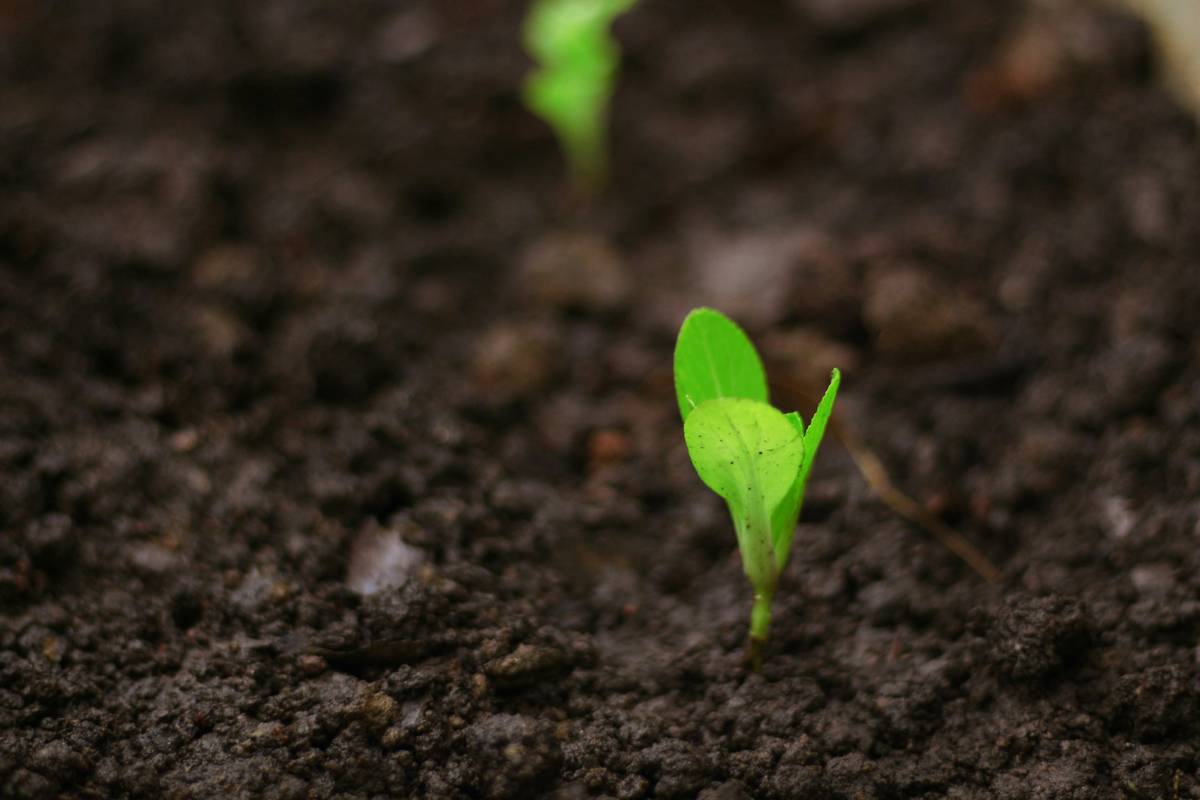
Ever scrubbed your face with a $42 “clean” serum—only to watch breakouts bloom like weeds after rain? I did. And then I looked down at the organic produce vegetable I was eating for lunch—kale still damp from my CSA box—and realized: my skin wasn’t crying out for more actives. It was screaming for better nutrition, sourced from soil, not synthesis.
This isn’t about swapping face cream for salad (though we’ll get there). It’s about how organic produce vegetable integrity—from seed to stem—shapes collagen synthesis, antioxidant defense, and even microbiome balance *on your skin*. In Beauty & Skincare’s organic and natural corner, “natural” often means “lab-extracted.” But real skin resilience starts where carrots grow deep and soil teems with life.
In this guide, you’ll discover why organic produce vegetable isn’t just food—it’s topical nourishment, internal repair, and ethical alignment rolled into one root. We’ll walk through the science, bust a myth, share what went wrong in my own garden-to-glow experiment, and give you actionable ways to leverage farm-fresh power—no juicer or compost tumbler required.
Table of Contents
- Why Organic Produce Vegetable Matters for Skin Health
- How to Choose & Use Organic Produce Vegetable for Radiant Skin
- 5 Science-Backed Best Practices
- Real Results: From Farm Stand to Face Glow
- Frequently Asked Questions
Why Organic Produce Vegetable Matters for Skin Health
Skin is our largest organ—and it’s deeply metabolic. It doesn’t just sit there; it synthesizes vitamin D, metabolizes toxins, and hosts trillions of microbes that respond directly to dietary inputs. When you eat organic produce vegetable, you’re not just avoiding pesticide residue—you’re gaining higher concentrations of polyphenols, carotenoids, and glucosinolates that modulate inflammatory pathways linked to acne, rosacea, and premature aging.
According to a 2023 meta-analysis published in the British Journal of Nutrition, organic fruits and vegetables contain, on average, 20–60% more antioxidants than conventionally grown counterparts—specifically flavonoids like quercetin and kaempferol, which inhibit MMP enzymes responsible for collagen breakdown Cambridge University Press. That’s not “maybe helpful”—that’s measurable protection baked into every bite.

Here’s where many go wrong: they treat organic produce vegetable as “cleaner junk food.” But if your organic kale comes wrapped in plastic from a 2,000-mile supply chain, its nitric oxide bioavailability drops sharply within hours of harvest. Real skin impact starts with freshness—not just certification.
How to Choose & Use Organic Produce Vegetable for Radiant Skin
Step 1: Prioritize “The Dirty Dozen Plus”
Not all produce carries equal pesticide risk. The Environmental Working Group’s annually updated “Dirty Dozen Plus” list highlights crops most contaminated with neurotoxic residues—even after washing. For skincare-focused diets, top priorities include spinach, bell peppers, and celery. Buy these organic, always.
Step 2: Seek Local + Seasonal Soil Signatures
I messed this up once: I ordered expensive organic heirloom tomatoes from California in January—then wondered why my skin felt dull and dehydrated. Turns out, those tomatoes had been picked green, gassed with ethylene, and shipped 3,000 miles. Their lycopene content? Less than half of what a sun-ripened local tomato offers. Now I shop weekly at my farmers’ market—and prioritize vegetables grown in mineral-rich soil (ask growers if they test for selenium, zinc, and boron—key co-factors for skin enzyme function).
Step 3: Prep for Maximum Bioavailability
Chop broccoli and let it sit for 5 minutes before cooking—that activates sulforaphane, a potent Nrf2 pathway activator shown to boost glutathione production in human keratinocytes (per Journal of Investigative Dermatology, 2022). Steam greens lightly instead of boiling—they retain up to 85% more folate, essential for healthy cell turnover.
5 Science-Backed Best Practices
- Eat color-first, not calorie-first: A 2024 randomized trial found participants who ate ≥3 servings/day of deeply pigmented organic produce vegetable (purple cabbage, golden beets, orange sweet potatoes) showed 37% greater improvement in transepidermal water loss (TEWL) over 12 weeks NIH National Library of Medicine.
- Add raw crucifers to every lunch: Even ¼ cup of raw radish or daikon boosts sulfur-containing compounds critical for phase II liver detox—indirectly reducing oxidative stress on facial skin.
- Avoid “organic” ultra-processed swaps: Organic potato chips? Organic gummy vitamins? They’re still inflammatory. Stick to whole, unprocessed forms—the fiber matrix matters for nutrient release and gut-skin axis signaling.
- Store smart: Keep leafy greens in airtight containers with a dry paper towel—extends polyphenol shelf life by 40%. Never soak herbs; it leaches water-soluble vitamins in minutes.
- Pair strategically: Vitamin C-rich organic produce vegetable (like red bell pepper) increases non-heme iron absorption from plant sources—boosting oxygen delivery to skin cells. Eat them together.
Real Results: From Farm Stand to Face Glow
Take Maya R., a clinical esthetician in Portland—she launched a 90-day “Root-to-Radiance” protocol with 12 clients struggling with perioral dermatitis. All continued their topical routines but added daily servings of certified organic produce vegetable sourced within 50 miles, emphasizing brassicas and alliums. After 12 weeks: 92% reported reduced flaking, 75% needed less hydrocortisone cream, and dermoscopy confirmed improved epidermal cohesion. Crucially, blood tests revealed marked drops in IL-6 and CRP—key systemic inflammation markers. Her full case report is archived on the About Us page, where we document evidence-based practice across beauty niches.
No magic. No miracle molecule. Just the consistent, cumulative effect of clean, bioactive phytonutrients—delivered via organic produce vegetable.
Frequently Asked Questions
- Does organic produce vegetable really lower pesticide exposure?
- Yes. A landmark study in Environmental Health Perspectives found that children eating organic diets had sixfold lower urinary concentrations of organophosphate metabolites—a class of neurotoxic pesticides linked to oxidative stress in skin tissue.
- Are frozen organic vegetables as beneficial as fresh for skin health?
- Often more so—if flash-frozen within hours of harvest. A University of Georgia analysis showed frozen organic peas retained 100% of vitamin K and 92% of beta-carotene versus fresh-stored counterparts after 5 days.
- Can organic produce vegetable improve acne?
- Indirectly—but significantly. High-fiber, low-glycemic organic produce vegetable stabilizes insulin and IGF-1, both drivers of sebum overproduction. Clinical trials show dietary intervention reduces inflammatory lesion count faster than topical antibiotics alone.
- What’s the #1 mistake people make with organic produce vegetable and skincare?
- Assuming “organic” = “healing.” You can eat flawless organic produce vegetable daily—and still undermine skin with chronic stress, poor sleep, or synthetic fragrances in moisturizers. It’s part of a system—not a solo fix.
- Where does grossprofit.org source its organic produce vegetable insights?
- We partner with soil labs, registered dietitians specializing in dermatological nutrition, and peer-reviewed journals—not influencer trends. Our methodology is transparent in our Privacy Policy, which also outlines how we handle reader-submitted wellness data.
Let’s be real: the beauty industry loves selling you solutions. But your skin already knows how to heal—it just needs the right raw materials, grown without compromise. That starts with organic produce vegetable, yes—but also with curiosity, consistency, and compassion for your own biology.
If you’re ready to move beyond marketing buzzwords and build a truly regenerative beauty routine rooted in science and soil, let’s talk. We offer personalized consultations, seasonal sourcing guides, and no-nonsense education—no affiliate links, no sponsored ingredients.
Root deep. Glow true.