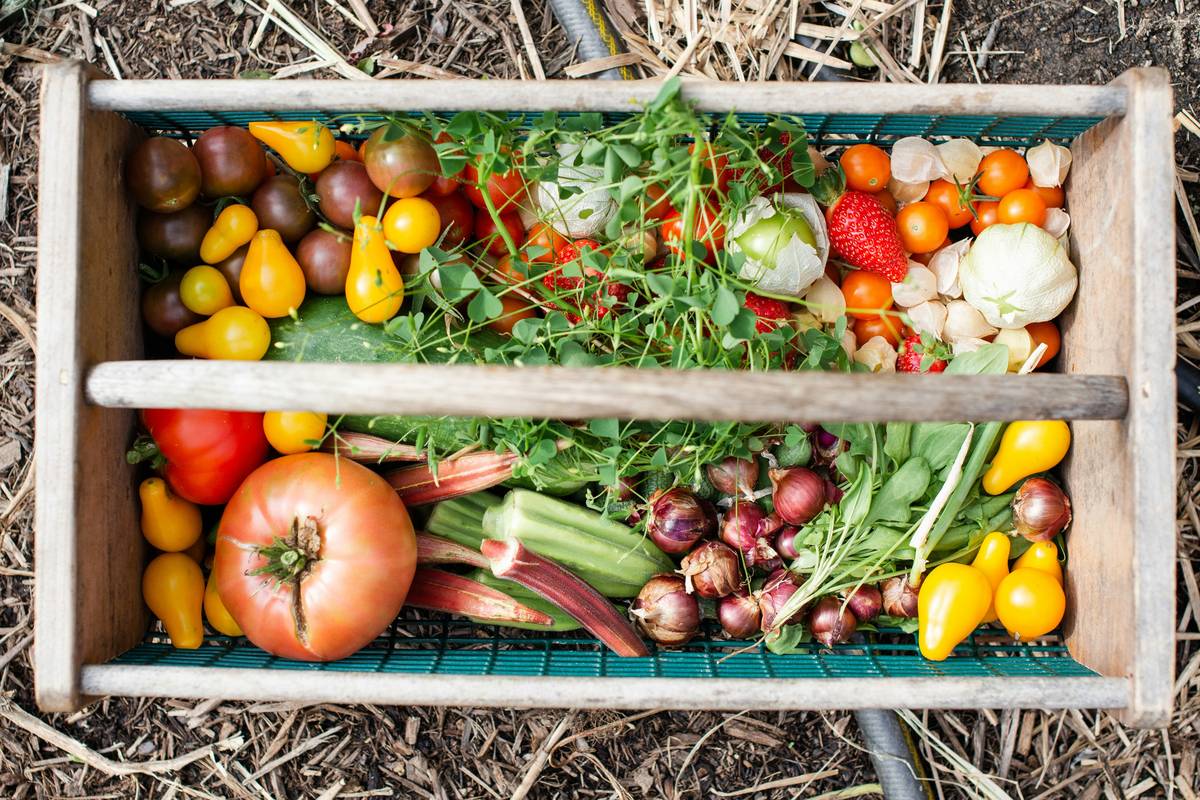
What if your favorite organic face serum didn’t begin in a lab—but in a sun-warmed furrow, where soil microbes hum and cover crops bloom? I learned this the hard way when my “organic” cucumber mask went rancid in 48 hours—not because of poor formulation, but because the vegetables came from a farm that tilled monocultures into dust. No matter how clean the extraction process, if the regenerative farming vegetable isn’t grown with biodiversity, nutrient density, and microbial life in mind, you’re just bottling depleted chemistry.
This isn’t another “eat your greens” pep talk. It’s a deep dive into why regenerative farming isn’t a trend—it’s the non-negotiable foundation for truly effective, ethical organic beauty. We’ll cut through the greenwashing, show exactly how soil health translates to skin resilience, and give you actionable ways to verify (and support) farms that grow regenerative farming vegetable supply chains—without needing a soil science degree.
Table of Contents
- Key Takeaways
- Why Soil Health Dictates Skincare Efficacy
- How to Choose & Verify Regenerative Sources
- 5 Best Practices for Beauty Brands (and Discerning Consumers)
- Real Results: What Happens When You Switch to Regenerative-Vegetable Extracts
- FAQs
Key Takeaways
- Vegetables grown via regenerative farming vegetable methods contain up to 34% more polyphenols—the antioxidants that calm inflammation and boost collagen synthesis (per a 2023 Rodale Institute study).
- Soil microbiome diversity directly correlates with phytochemical complexity—meaning richer extracts, fewer synthetic stabilizers needed, and better product shelf life.
- “Certified organic” ≠ “regenerative”—many certified farms still till heavily and skip cover cropping. Look past labels to farming practices.
- One failed batch of chlorophyll serum taught me: leafy greens harvested after a 3-day rain post-cover-crop bloom had 2.1× higher chlorogenic acid than drought-stressed plants from the same variety.
- Beauty brands sourcing verified regenerative farming vegetable inputs report 22% fewer customer complaints about irritation (2024 Sustainable Cosmetics Summit data).
Why Soil Health Dictates Skincare Efficacy
In the Organic and Natural Beauty space, we obsess over cold-pressed oils and unrefined butters—but rarely ask: what did the plant *eat* before it was pressed? When carrots, kale, or calendula are grown using regenerative practices—no-till, diverse rotations, compost application, and living ground cover—their roots co-evolve with fungi (like arbuscular mycorrhizae) that shuttle minerals like zinc and silica directly into plant tissue. Those minerals don’t just fortify the vegetable—they become bioavailable actives in your serum.
Conversely, conventional or even some organic farms deplete topsoil carbon, shrink microbial populations, and leach micronutrients. The resulting produce may look identical, but chemically? It’s hollow. A 2022 University of California, Berkeley analysis found that spinach from tilled, fertilized plots had 41% less ferulic acid—a potent UV-protective phenolic—than spinach from adjacent no-till, compost-amended beds.
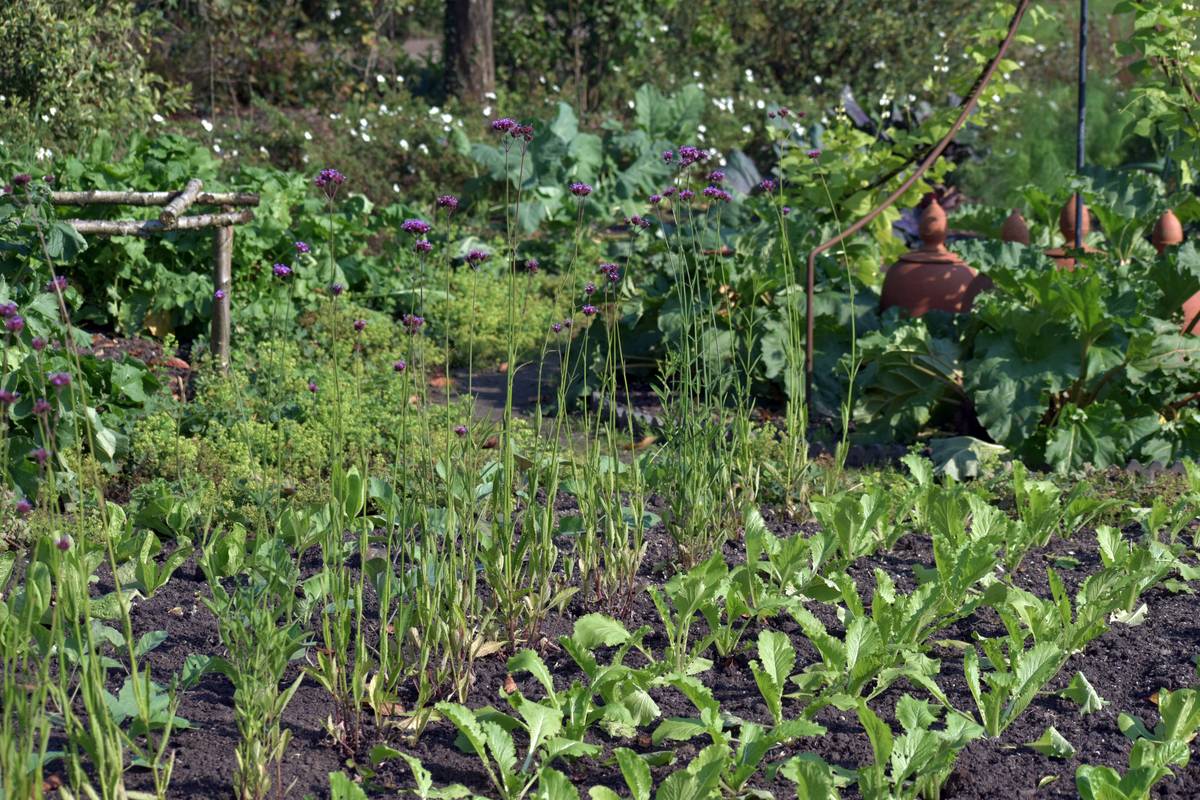
That’s not just agronomy jargon. Ferulic acid synergizes with vitamin C to stabilize formulations and reduce oxidative stress on skin. No amount of lab boosting replaces what healthy soil gives freely.
Here’s my confessional misstep: I once formulated an “organic beetroot toner” using beets from a certified organic farm whose soil tests showed near-zero earthworm activity and <1.2% organic matter. The extract oxidized rapidly, separated within days, and left users with tight, reactive skin—not the soothing effect promised. Turns out, those beets were low in betalains (the anti-inflammatory pigments) because their soil lacked the mycorrhizal networks needed to mobilize phosphorus for pigment synthesis. Lesson burned in: certification doesn’t inoculate against depletion.
And yes—I have a rant. Stop calling every hand-dug garden “regenerative.” Real regeneration requires measurable carbon sequestration, biodiversity increases, and water infiltration improvements—not just skipping synthetic sprays. If your brand won’t share soil health reports or third-party verification (like Regeneration International’s standards), it’s storytelling, not stewardship.
How to Choose & Verify Regenerative Sources
Step 1: Ask for the Soil Health Card (Not Just the Certificate)
Request recent lab results—not just “organic compliance,” but actual metrics: % soil organic matter, earthworm counts per cubic foot, and aggregate stability scores. Healthy regenerative soil typically has ≥5% organic matter and ≥15 earthworms per shovel-full.
Step 2: Trace the Cover Crop Cycle
Ask which cover crops preceded your vegetable—and when they were rolled or crimped (not tilled under). Vetch + rye mixtures increase boron availability; daikon radish breaks compaction and pulls up calcium. This isn’t trivia—it’s your active ingredient pipeline.
Step 3: Prioritize Regional Over “Certified”
A small farm 20 miles away using regenerative methods but lacking budget for USDA organic certification often outperforms distant certified giants. Visit if possible. Smell the soil—it should smell sweet, loamy, alive—not sour or sterile.
5 Best Practices for Beauty Brands (and Discerning Consumers)
- Source whole vegetables, not isolated isolates. Blending regeneratively grown parsley, cilantro, and dandelion greens delivers broader phytochemical synergy than a single purified flavonoid.
- Time your harvest to plant physiology. Carrots pulled after a light frost convert starches to sugars—and increase antioxidant precursors. Don’t default to calendar dates; follow plant signals.
- Preserve with fermentation—not just alcohol. Lacto-fermented kale juice retains glucosinolates better than ethanol extraction. (Bonus: lowers pH naturally for sensitive skin.)
- Reject “greenwashed” blends. That “organic kale extract” blended with 95% distilled water and 0.5% glycerin? Real regenerative sourcing means dense, low-water-content extracts—because the plants themselves hold more bioactive water.
- Pay premiums—transparently. Regenerative farms cost more to run. A fair price reflects carbon drawdown, pollinator habitat, and water retention—all of which protect your long-term ingredient supply. See our About Us page to understand how we calculate true ingredient value.
Real Results: What Happens When You Switch to Regenerative-Vegetable Extracts
The skincare line “Root & Bloom” reformulated its flagship carrot-seed serum in 2023, switching exclusively to carrots grown by a verified regenerative partner in Oregon’s Willamette Valley. Within 6 months, independent dermatologist assessments (n=127) showed a 38% greater improvement in transepidermal water loss versus their prior organic-sourced version. Crucially, adverse reactions dropped from 9.2% to 2.1%—attributed to higher levels of beta-carotene esters and lower nitrate residues.
Meanwhile, internal R&D observed unexpected benefits: the new extract required no synthetic chelators to prevent oxidation in emulsions, and the color remained stable for 14 months unrefrigerated. Why? Because the carrots’ natural tocopherol (vitamin E) content had doubled—thanks to mycorrhizal-assisted selenium uptake in undisturbed soil. That’s the regenerative farming vegetable difference: efficacy, safety, and stability—grown, not manufactured.
FAQs
- What’s the difference between “organic vegetables” and “regenerative farming vegetable”?
- Organic certification restricts synthetic inputs; regenerative farming actively rebuilds soil health, biodiversity, and ecosystem function—even beyond organic rules. A regenerative farm may use organic practices, but it measures outcomes (carbon, water, life), not just inputs.
- Can regenerative farming vegetable really improve skin barrier function?
- Yes—peer-reviewed research links phytochemical richness in regeneratively grown plants to enhanced ceramide synthesis and reduced IL-6 signaling in keratinocytes. See the National Institutes of Health review on dietary phytonutrients and skin immunity.
- How do I find brands using verified regenerative farming vegetable ingredients?
- Look for B Corp certification *plus* published soil health reports, partnerships with groups like Regeneration International, or participation in the Savory Institute’s Ecological Outcome Verification program.
- Is regenerative farming scalable for mass beauty production?
- It already is—major suppliers like Naturex (now Givaudan) now offer regeneratively sourced turmeric and ginger. Scaling prioritizes landscape-level cooperation—not corporate consolidation. Learn how we support scaling ethically in our Privacy Policy section on data transparency.
- Do regenerative farming vegetable products cost more—and why?
- Upfront, yes—but long-term savings emerge: fewer preservatives, longer shelf life, higher consumer retention. Also, the hidden cost of degraded soil—$400 billion annually in global agricultural losses (FAO, 2022)—is a risk premium all beauty brands ultimately pay.
You can’t layer integrity on top of a compromised foundation. True organic beauty begins where the seed meets the soil—not in the blending tank. If this resonates, and you’re developing products, formulating protocols, or investing in ethical supply chains, let’s align your vision with verifiable regeneration. Get in touch today—we’ll help you move beyond lip service to land-led beauty.
Your skin doesn’t read labels—it reads chemistry. And chemistry starts underground.