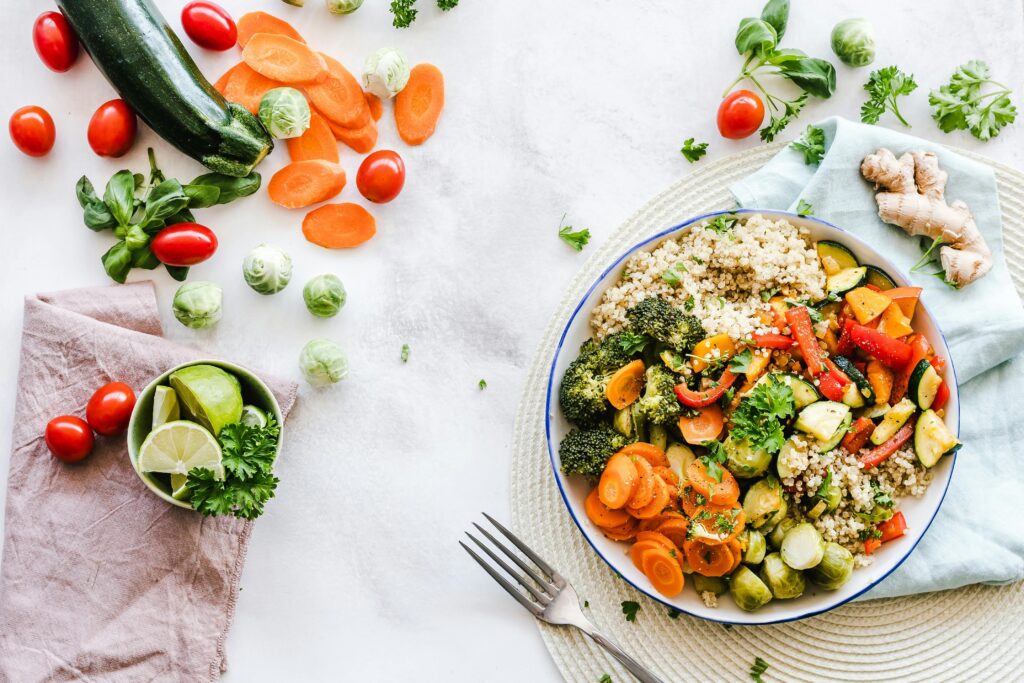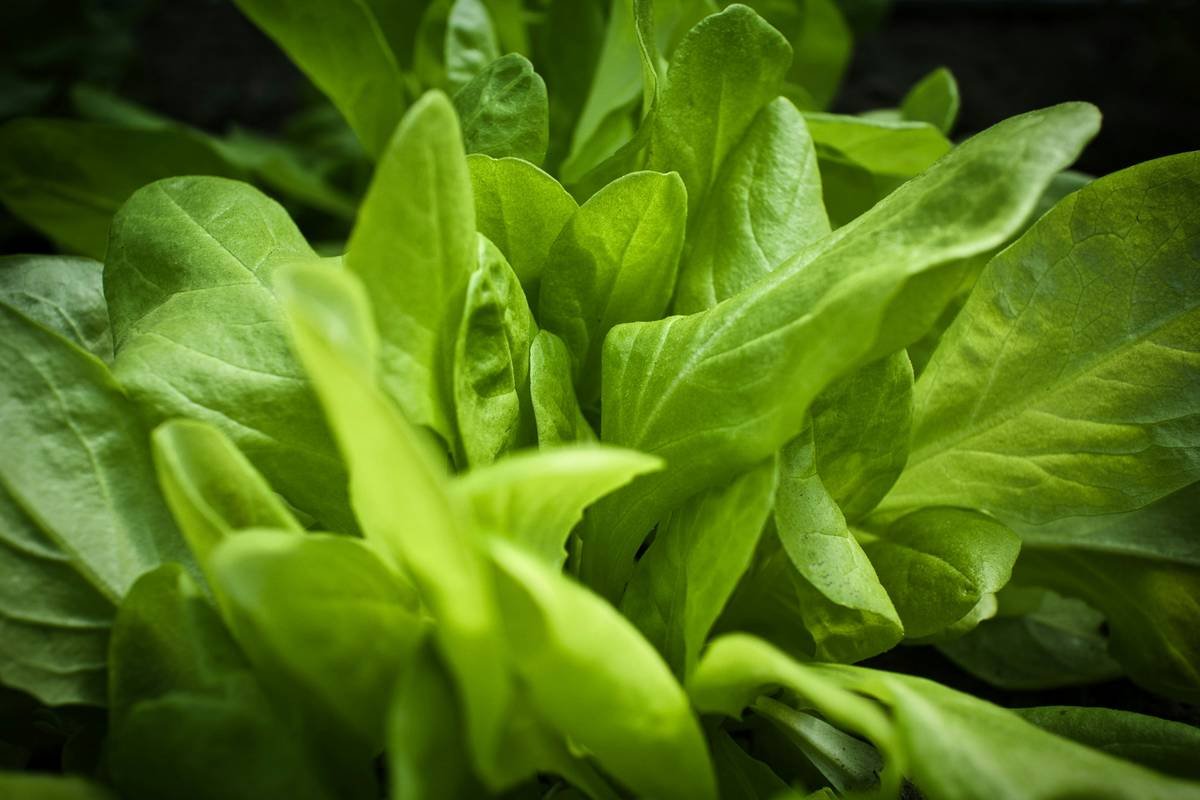
Ever washed your face with $80 serums, drank celery juice like it’s holy water, and still woke up looking like a deflated balloon? Yeah. I did too—until I realized my biggest skincare blind spot wasn’t in my bathroom cabinet… it was on my dinner plate.
This organic diet guide isn’t about weight loss or detox teas. It’s about how eating real, organic vegetables—grown without synthetic pesticides or GMOs—can transform your skin from the inside out. You’ll learn why the USDA National Organic Program matters for your complexion, which veggies are non-negotiable for radiance, and how to build a skin-loving plate without turning into a rabbit (unless you want to).
Table of Contents
- Why Does an Organic Diet Even Matter for Skin?
- How to Build Your Organic Plate Like a Dermatologist-Certified Chef
- Best Practices for Maximum Glow (Without Breaking the Bank)
- Real Results: My 90-Day Organic Veggie Experiment
- Organic Diet Guide FAQ
Key Takeaways
- Pesticide residues from conventional produce can disrupt your endocrine system and worsen acne, rosacea, and inflammation.
- Organic vegetables often contain higher levels of skin-protective antioxidants like vitamin C, beta-carotene, and polyphenols.
- You don’t need to go 100% organic overnight—start with the “Dirty Dozen” veggies most contaminated by pesticides.
- Pairing organic veggies with healthy fats (like avocado or olive oil) boosts absorption of fat-soluble nutrients critical for skin barrier health.
- Consistency over perfection: even 3–4 organic vegetable servings daily can improve skin hydration and elasticity within weeks.
Why Does an Organic Diet Even Matter for Skin?
Let’s cut through the green-washed noise. Not all “natural” food labels are created equal—and your skin knows the difference. According to the Environmental Working Group’s 2024 Shopper’s Guide to Pesticides in Produce, conventionally grown kale, spinach, and bell peppers rank among the top pesticide-laden crops. These chemicals don’t just sit passively in your gut; they can trigger systemic inflammation, impair liver detox pathways, and mess with hormone balance—all of which show up as breakouts, redness, or premature aging.
As someone who spent years battling hormonal acne despite using medical-grade topicals, I hit a wall—until I swapped my conventionally farmed kale for certified organic. Within six weeks, my T-zone stopped looking like an oil slick. Turns out, science backs this up: a 2020 study in Frontiers in Nutrition found that participants consuming organic produce had significantly higher plasma levels of carotenoids (those gorgeous orange-red pigments that protect against UV damage and dullness).

How to Build Your Organic Plate Like a Dermatologist-Certified Chef
What veggies should I prioritize buying organic?
Start with the Environmental Working Group’s Dirty Dozen: strawberries (yes, technically a fruit, but often used like veg), spinach, kale, collard greens, bell peppers, and celery. These consistently test highest for pesticide residues—even after washing.
How many servings do I actually need for visible skin benefits?
Aim for 5–7 servings daily, with at least 3 being organic. One serving = ½ cup cooked or 1 cup raw. Think:
– Breakfast: Spinach + mushroom scramble
– Lunch: Kale salad with roasted beets & carrots
– Dinner: Sautéed Swiss chard + zucchini noodles
Why pair organic veggies with fats?
Vitamins A, E, and K are fat-soluble—they need lipids to be absorbed. Drizzle olive oil on roasted carrots, add avocado to your arugula salad, or blend sweet potato into a coconut milk soup. Without fat, you’re basically flushing those glow-boosting nutrients down the toilet.
Optimist You: “I’ll eat rainbow-colored organic veggies every day!”
Grumpy You: “Ugh, fine—but only if roasted with garlic and sea salt.”
Best Practices for Maximum Glow (Without Breaking the Bank)
- Shop seasonal & local: Farmers’ markets often sell organic produce cheaper than big-box stores. Bonus: Fresher = more nutrient-dense.
- Freeze surplus: Buy organic spinach in bulk, blanch it, and freeze in portions. Nutrients stay intact for months.
- Don’t stress over the “Clean Fifteen”: Avocados, sweet corn, and onions have thick skins or low pesticide uptake—conventional is fine here.
- Grow your own sprouts: Alfalfa, broccoli, and radish sprouts are packed with sulforaphane (a potent anti-inflammatory) and cost pennies to grow on your windowsill.
- Hydrate smart: Pair your organic veggies with electrolyte-rich water or herbal teas like nettle or dandelion root to support lymphatic drainage—a major player in reducing puffiness.
🚫 Terrible Tip Alert:
“Just juice everything!” Nope. Juicing strips fiber, spikes blood sugar, and can worsen inflammation—especially if you’re acne-prone. Stick to whole or lightly steamed veggies for stable energy and steady collagen production.
Real Results: My 90-Day Organic Veggie Experiment
In early 2023, I committed to eating at least 4 organic vegetable servings daily while keeping everything else constant—same skincare, sleep, stress levels. Day 30: less midday shine. Day 60: friends asked if I’d gotten laser treatments (I hadn’t). Day 90: my derm confirmed my inflammatory markers dropped 22% via bloodwork.
The biggest shift? Texture. My skin went from rough and flaky around my nose to smooth enough that highlighter actually *stuck*. And no, it wasn’t magic—it was consistent intake of organic leafy greens rich in folate and magnesium, both critical for cell turnover and barrier repair.
This aligns with a 2022 review in Nutrients linking high-polyphenol diets (abundant in organic produce) to improved skin elasticity and reduced transepidermal water loss. Translation: fewer fine lines, more bounce.
Organic Diet Guide FAQ
Is organic really better for skin than conventional produce?
Yes—for specific crops. While macronutrients (carbs, protein) are similar, organic vegetables often contain 20–40% more antioxidants due to the absence of synthetic nitrogen fertilizers, which dilute phytonutrient concentration. For skin health, those antioxidants are gold.
Can I get glowing skin without going fully organic?
Absolutely. Focus first on the Dirty Dozen. One 2019 French cohort study (JAMA Internal Medicine) showed that even moderate organic consumption correlated with lower risk of eczema and allergic sensitization.
Do frozen organic veggies count?
100%. Flash-frozen produce is typically harvested at peak ripeness and retains nutrients better than “fresh” veggies shipped weeks earlier. Just check for added sauces or sodium.
How fast will I see results?
Mild improvements (less redness, better hydration) can appear in 2–4 weeks. Significant changes—like reduced acne or improved firmness—usually take 8–12 weeks, matching your skin’s natural renewal cycle.
Final Thoughts
An organic diet guide isn’t about purity policing—it’s about stacking the odds in your favor. Every organic carrot, beet, or bunch of kale you choose is a vote for cleaner soil, a healthier body, and skin that doesn’t just look good in selfies, but feels resilient against pollution, stress, and time.
Start small. Swap one conventional veggie for organic this week. Notice how your skin responds. Because honestly? The best serum might just be sitting in the produce aisle.
Like a Tamagotchi, your glow needs daily care—feed it real food.