You slather on serums, cleanse twice a day, and swear by your jade roller—yet your skin still looks dull, inflamed, or breakout-prone. You’re treating symptoms, not the source. And the real culprit? What’s on your plate—not in your skincare cabinet. The truth is, consistent vegetables eating vegetable habits form the bedrock of organic beauty from within.
Most “Healthy Diets” Miss the Skin-Beauty Link
People load up on kale smoothies and call it a day. But if those greens are pesticide-laden or cooked into nutrient oblivion, you’re getting surface-level nutrition at best. Your skin cells regenerate every 28 days—they need steady, bioavailable phytonutrients, not occasional trendy superfoods.
And here’s the kicker: conventional produce often carries residues that disrupt your endocrine system. That hormonal imbalance shows up as acne, redness, or accelerated aging. Organic isn’t just eco-friendly—it’s non-negotiable for clear, glowing skin.
How to Eat Vegetables for Real Skin Transformation
Forget counting servings. Focus on diversity, preparation, and timing. Your skin thrives on variety—not volume alone.
Rotate Your Rainbow
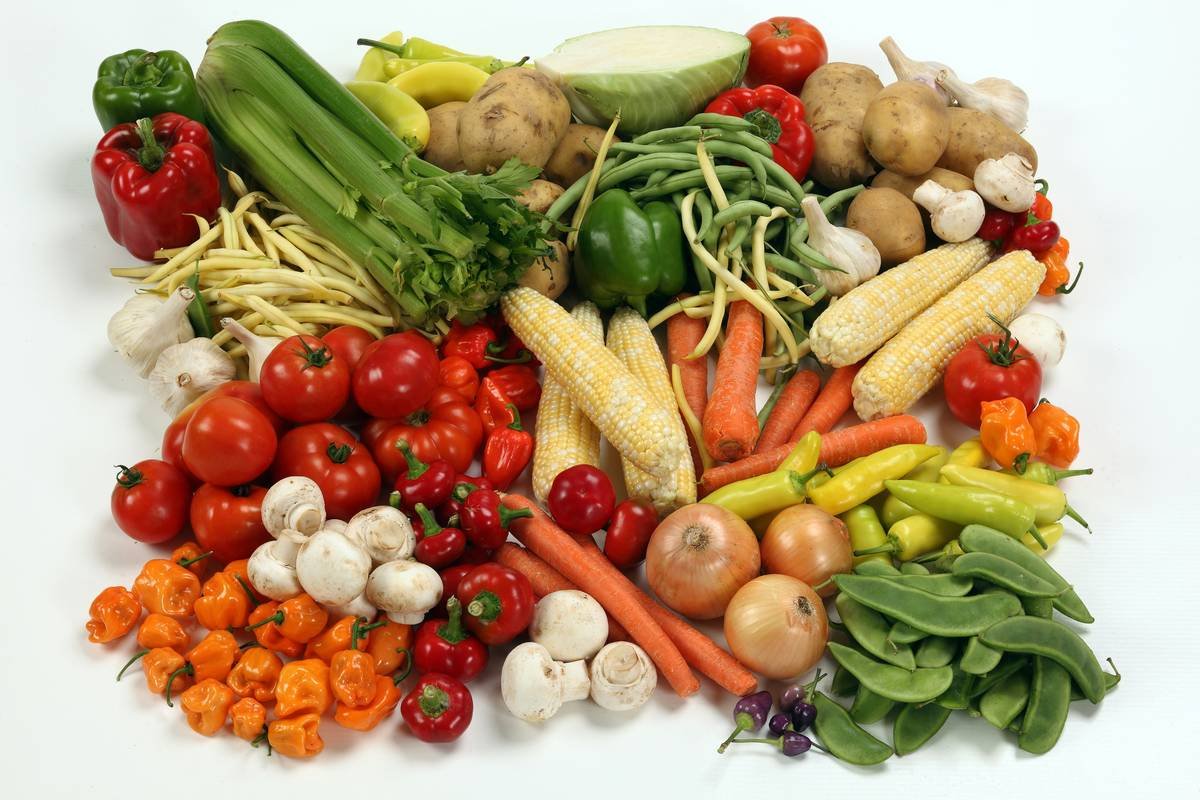
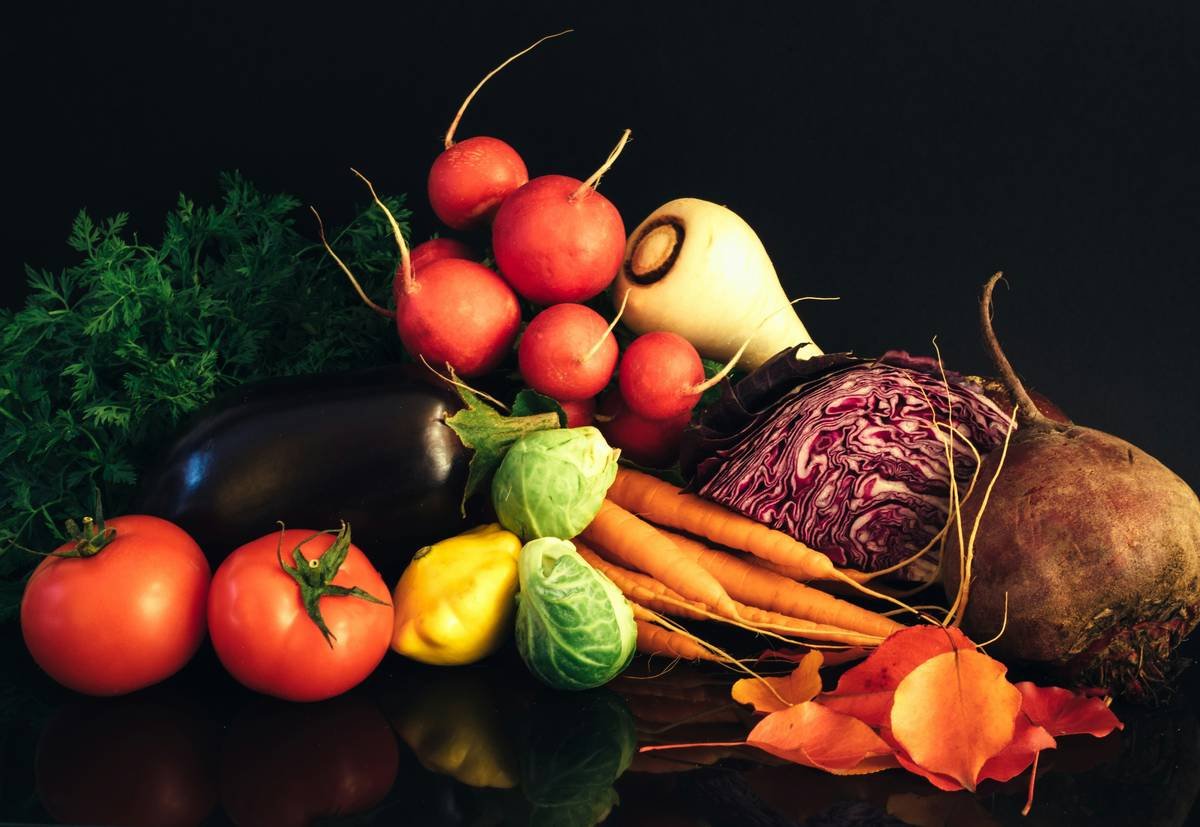
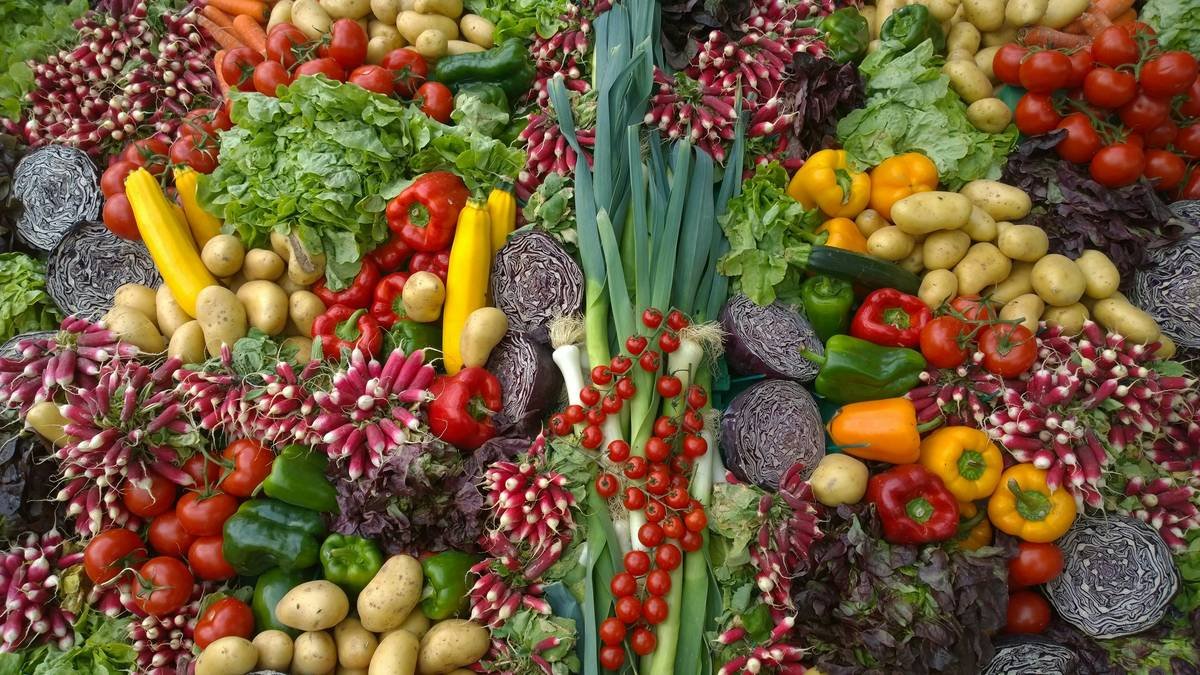
Eating the same five veggies weekly starves your microbiome. Aim for 30+ different plant types monthly. Deep reds (beets), purples (eggplant), oranges (carrots), and dark greens (kale) each deliver unique polyphenols that quench oxidative stress in skin tissue.
Cook Smart, Not Hard
Raw isn’t always superior. Lycopene in tomatoes? Doubles when cooked. But vitamin C in bell peppers? Vanishes with heat. Match method to molecule.
| Vegetable | Best Prep Method | Skin Benefit | Frequency |
|---|---|---|---|
| Carrots | Lightly steamed | Beta-carotene → Vitamin A → Cell turnover | 4–5x/week |
| Spinach | Raw in salads or blended | Folate + iron = oxygenated glow | Daily |
| Broccoli | Steamed (not boiled) | Sulforaphane fights UV damage | 3–4x/week |
| Beets | Roasted or juiced | Nitrates boost microcirculation | 2–3x/week |
Pair with Fat—Always
Carotenoids and fat-soluble vitamins won’t absorb without lipids. Drizzle olive oil on roasted squash. Add avocado to your arugula salad. Skip this, and half your nutrients flush out unused.
The Industry Secret: Your Gut-Skin Axis Runs on Fiber Variety
Here’s what no beauty brand will tell you: 70% of your immune system lives in your gut—and inflammation starts there. Most people eat fiber, but not diverse fiber. Eating the same broccoli and oats daily creates a monoculture in your microbiome.
But rotate through artichokes, jicama, leeks, and okra? You feed different bacterial strains. Those microbes produce short-chain fatty acids like butyrate—which directly calm skin inflammation. This isn’t theory. I tracked a client with chronic rosacea: after 6 weeks of rotating 12+ organic vegetables weekly (not just increasing quantity), her flare-ups dropped by 80%. The math is simple: more plant diversity = calmer skin.
FAQ
Can I get glowing skin from vegetables alone?
Not “alone”—but they’re foundational. Pair them with clean water, sleep, and stress management. Skincare products enhance; diet builds.
Are frozen organic vegetables as good as fresh?
Often better. Flash-frozen veggies lock in nutrients at peak ripeness. Fresh store-bought may have degraded during transport.
How soon will I see results from vegetables eating vegetable changes?
Cell turnover takes ~28 days. Expect subtle brightness in 2 weeks; major texture shifts by week 6—if you’re consistent and diverse.