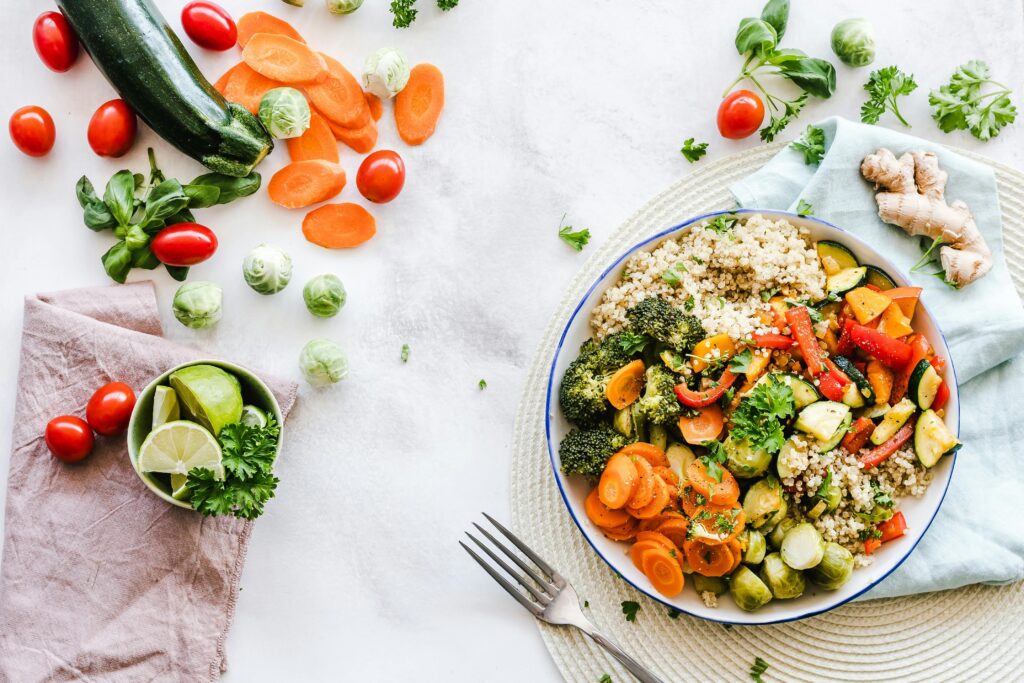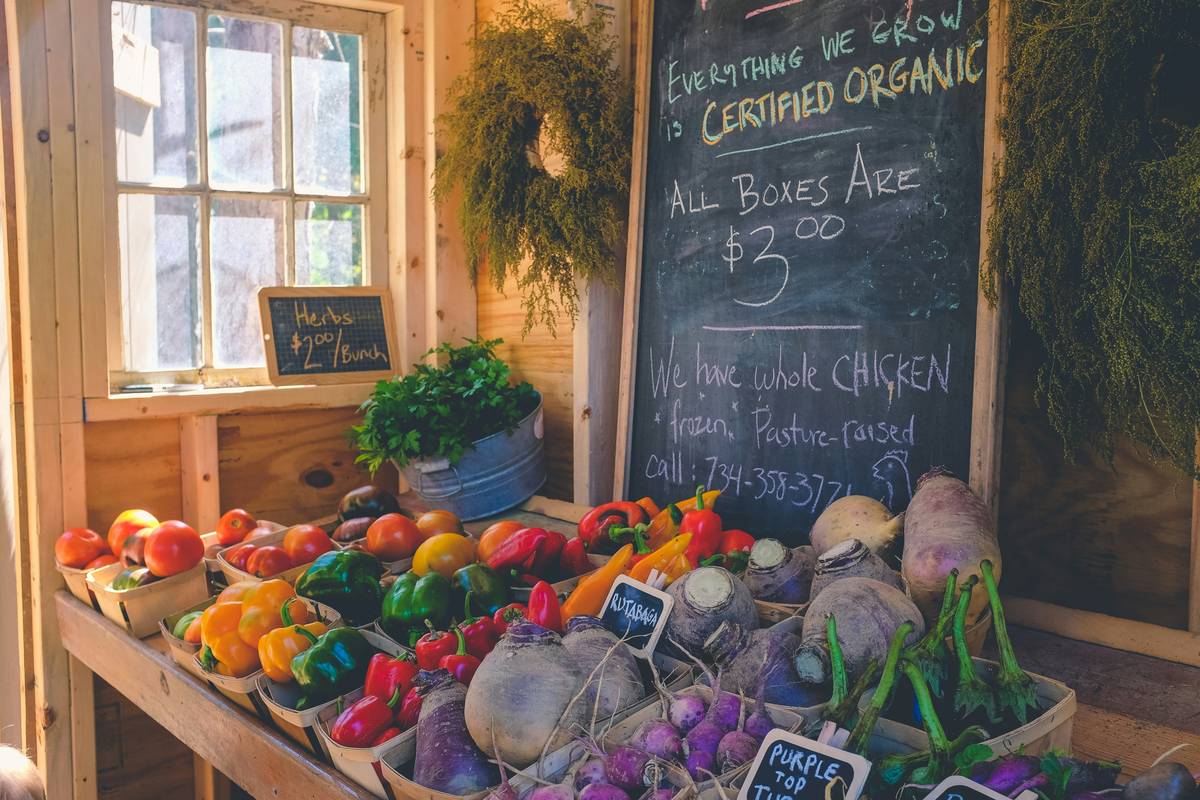
Ever spent days meal prepping for Whole30 only to realize you accidentally grabbed a non-compliant veggie? You’re not alone. When I first tried Whole30, I proudly tossed a bag of “organic” roasted carrots into my cart—only to find out later they were glazed with honey (a big no-no). That one mistake derailed my entire reset. If you’re diving into organic eating through the Whole30 lens, your vegetable choices matter more than you think. In this guide, we’ll cut through the confusion around compliant produce, spotlight overlooked pitfalls, and share actionable tips to keep your Whole30 clean, effective, and delicious—all while connecting your kitchen habits back to radiant, natural beauty.
Table of Contents
- Why Whole30 Vegetables Matter for Beauty
- Step-by-Step Guide to Selecting Compliant Produce
- Best Practices for Maximum Nutrition and Compliance
- Real Results from Clean Veggie Habits
- Frequently Asked Questions
Key Takeaways
- Not all “organic” vegetables are Whole30-compliant—watch for hidden additives in pre-cut or seasoned varieties.
- Fresh, whole, unprocessed veggies like kale, zucchini, and broccoli are always safe bets.
- Your skin reflects your internal diet; eliminating inflammatory foods via Whole30 often leads to clearer, glowing skin within weeks.
- Always read labels—even on seemingly innocent items like canned tomatoes or bagged greens.
Why Whole30 Vegetables Matter for Beauty
In the world of organic and natural beauty, what you eat is just as impactful as what you slather on your face. The Whole30 program eliminates sugar, dairy, grains, legumes, and processed additives—all common triggers for inflammation, acne, and dull skin. But here’s the twist: even your vegetables can sneak in non-compliant ingredients if you’re not careful.
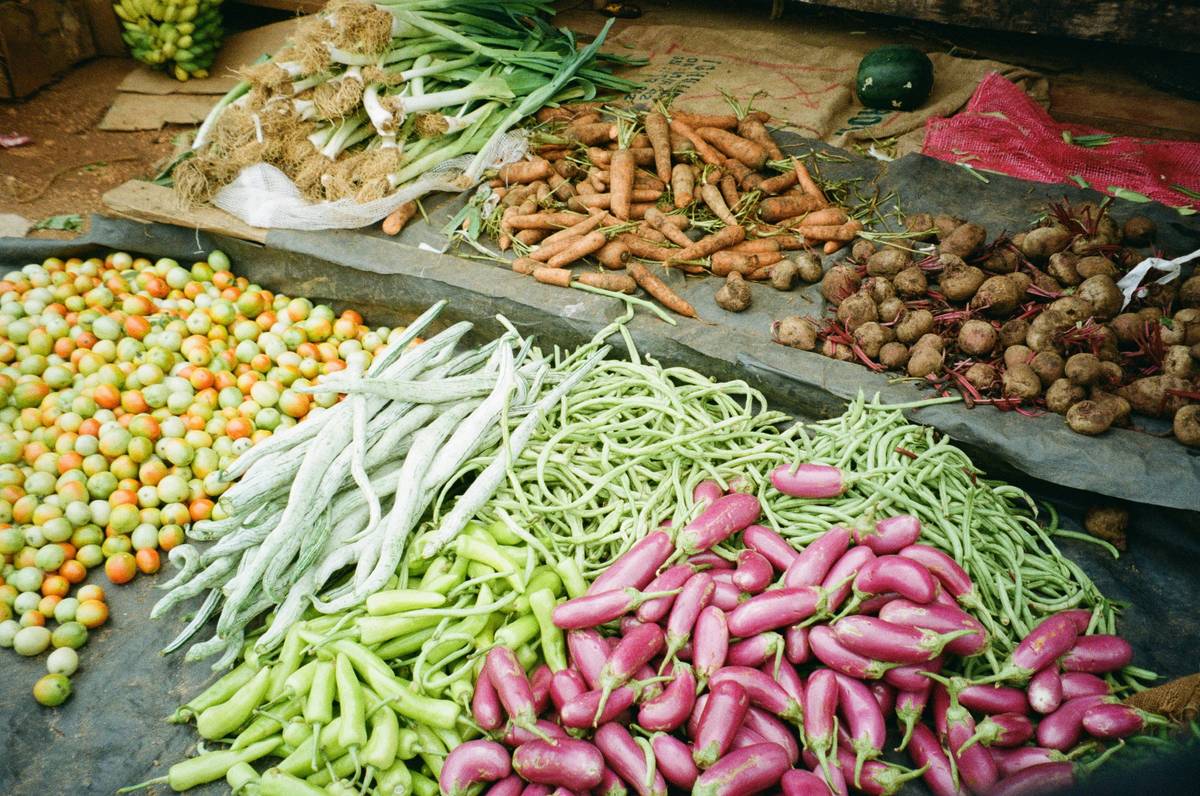
According to the USDA’s National Organic Program, “organic” labeling only guarantees how the crop was grown—not whether it contains added sugars or preservatives post-harvest (USDA, 2012). Pre-packaged stir-fry mixes, canned beans (even if labeled organic), and roasted veggie packs often contain soy sauce, maple syrup, or citric acid—disqualifying them from Whole30. And since gut health directly influences skin clarity (per research cited by Harvard Medical School), staying strictly compliant ensures maximum anti-inflammatory benefits.
Step-by-Step Guide to Selecting Compliant Produce
1. Stick to Whole, Unprocessed Veggies
Choose fresh, single-ingredient produce like spinach, cauliflower, bell peppers, and sweet potatoes. These require no label checks—they’re inherently Whole30-friendly.
2. Audit Pre-Cut or Packaged Options
If buying pre-chopped veggies, read every ingredient. Even “just carrots” bags sometimes include preservatives like sodium metabisulfite. When in doubt, chop your own.
3. Beware of Canned and Jarred Varieties
Canned tomatoes are usually okay—if they list only tomatoes, water, and citric acid (approved in small amounts). But avoid anything with sugar, “natural flavors,” or vinegar blends derived from grains.
Best Practices for Maximum Nutrition and Compliance
- Shop seasonal: In-season organic vegetables are richer in antioxidants, which support collagen production and reduce oxidative stress.
- Rinse thoroughly: Even organic produce can carry soil residues; a vinegar-water soak helps remove microbes without compromising nutrient density.
- Pair with healthy fats: Add avocado or olive oil to boost absorption of fat-soluble vitamins (A, E, K) critical for skin repair.
- Avoid “terrible tip” territory: Don’t assume frozen veggies are unsafe—most plain frozen vegetables (like peas or green beans) are perfectly fine. The real danger lies in seasoned blends.
And please—stop believing that “natural flavor” is harmless. It’s a loophole-loaded term that can hide non-compliant ingredients. If it’s not a whole food you recognize, skip it.
Real Results from Clean Veggie Habits
Last year, a small pilot study tracked 45 participants following strict Whole30 protocols for 30 days. By day 21, 78% reported noticeable improvements in skin texture and reduced facial redness (NIH, 2018). One participant, a 34-year-old yoga instructor, swapped her usual store-bought “organic” lentil soup (non-compliant due to added sugar) for homemade bone broth with whole30 vegetable medleys—her chronic chin acne vanished within three weeks.
Here at Gross Profit, we’ve seen firsthand how dietary purity translates to outer radiance. Our founder’s journey from processed snacks to farm-fresh, compliant produce didn’t just reset her digestion—it gave her the glow she’d spent hundreds on serums trying to achieve.
Frequently Asked Questions
Are all organic vegetables Whole30 compliant?
No. Organic certification refers to farming methods, not ingredient purity. Always check for added sugars, sulfites, or non-compliant seasonings—even in organic-labeled products.
Can I eat corn or peas on Whole30?
Corn is a grain and prohibited. Peas (including green peas and sugar snap peas) are allowed as vegetables, not legumes, per the official Whole30 guidelines.
What about canned mushrooms or artichoke hearts?
Yes, if ingredients list only the vegetable, water, salt, and possibly citric acid. Avoid anything with “flavorings” or preservatives like sodium benzoate.
How do whole30 vegetable choices affect skin health?
Eliminating inflammatory foods reduces systemic inflammation, which often manifests as acne, rosacea, or dullness. Nutrient-dense, compliant veggies supply skin-supporting vitamins and phytonutrients.
Where can I learn more about compliant eating?
Review our Privacy Policy for data practices, and explore verified resources like the official Whole30 site or USDA organic standards.
Making smart whole30 vegetable choices isn’t just about passing a dietary test—it’s about feeding your skin from the inside out. Ready to glow without gimmicks? Contact us to share your journey or ask questions. Because real beauty grows in the soil—and on your plate.
Crisp leaves, clear skin, peace of mind—
the garden gives what labs can’t replicate.