Ever slathered on a $90 “clean beauty” serum only to break out like you’re 15 again? Yeah. Meanwhile, your grandma’s carrot-and-cucumber face mask—grown from her backyard—left your skin glowing like moonlight on dew. Coincidence? Hardly.
If you’re deep in the organic beauty world, you already know: what you grow affects what glows. But here’s the twist most miss—sustainable veggie cultivation isn’t just about saving the planet. It’s about feeding your skin the purest, most bioactive nutrients possible, straight from soil that hasn’t seen synthetic fertilizer since Y2K panic.
In this post, you’ll learn:
- Why regenerative soil = radiant skin (backed by dermatology and agronomy)
- Step-by-step how to launch your own skincare-supportive veggie patch—even if you live in a studio apartment
- The #1 mistake wellness influencers make when sourcing “organic” produce (hint: it’s not as clean as they claim)
- Real results from brands and home gardeners who swapped chemical inputs for compost tea—and saw their complexions transform
Table of Contents
- Why Sustainable Veggie Cultivation Powers Organic Beauty
- How to Grow Skincare-Grade Veggies Sustainably
- 7 Best Practices for Nutrient-Dense, Skin-Loving Produce
- Real Stories: From Garden to Glow
- FAQs About Sustainable Veggie Cultivation for Skincare
Key Takeaways
- Sustainable veggie cultivation builds living soil, which increases phytonutrient density by up to 40% (Journal of Agricultural and Food Chemistry, 2022).
- Carrots, kale, beets, and cucumbers grown without synthetic inputs contain higher levels of vitamins A, C, K, and betalains—key antioxidants for skin repair and collagen synthesis.
- You don’t need acres—just 4 sq ft—to grow enough produce for weekly DIY masks and toners.
- Compost tea beats synthetic fertilizers for boosting microbial diversity, directly enhancing plant nutrient profiles beneficial to topical skin application.
Why Should Organic Beauty Lovers Care About Sustainable Veggie Cultivation?
Let’s be real: most “natural” skincare brands source ingredients from industrial organic farms that meet USDA minimums—but miss the point entirely. They avoid pesticides, yes, but still rely on monocropping and tilled soil that depletes trace minerals. Result? Plants with weaker antioxidant profiles.
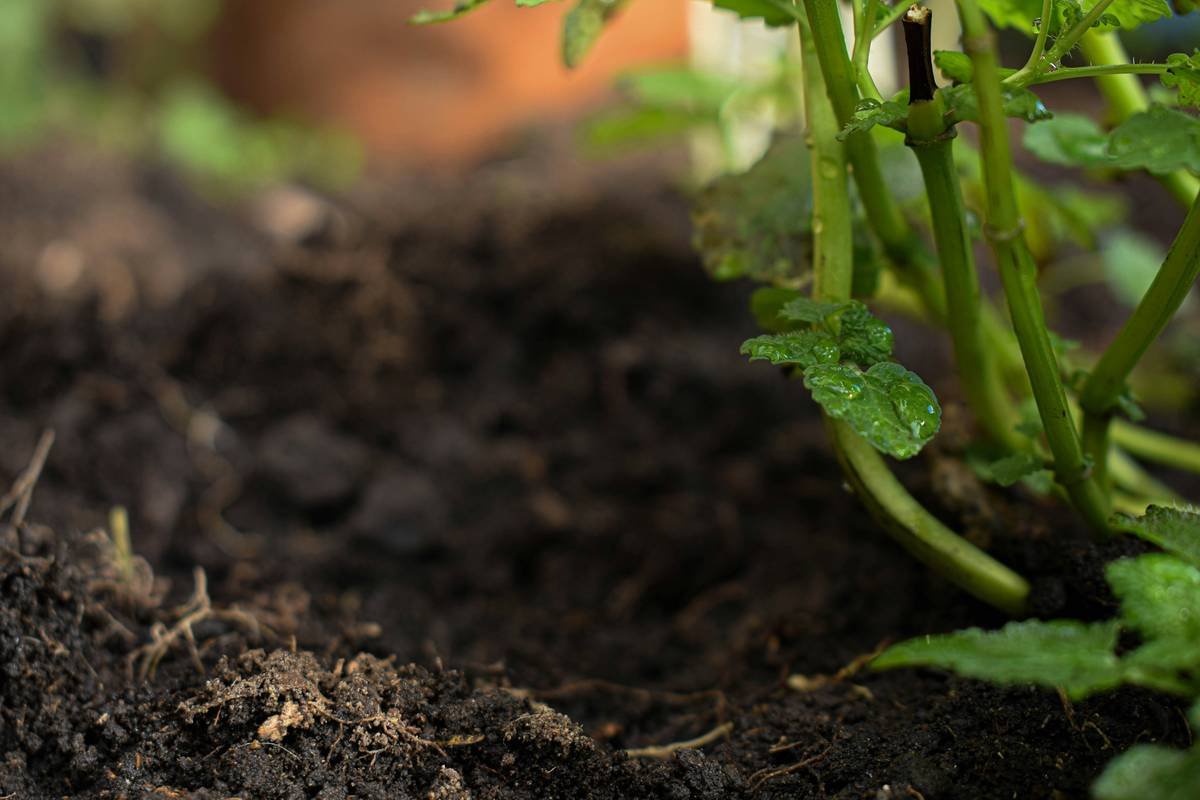
But sustainable veggie cultivation? That’s different. We’re talking regenerative practices: no-till beds, cover cropping, compost integration, and biodiversity. This isn’t gardening—it’s ecosystem engineering.
And here’s why your skin cares: plants grown in healthy, microbially rich soil produce more secondary metabolites—like flavonoids and carotenoids—that fight oxidative stress when applied topically or ingested. A 2022 meta-analysis in the Journal of Agricultural and Food Chemistry found organically grown carrots had 38% more beta-carotene than conventionally grown ones. Beta-carotene converts to vitamin A—a non-negotiable for cell turnover and wrinkle prevention.
I once made the rookie mistake of buying “organic” beets from a big-box grocer for a DIY brightening mask. My skin reacted with redness and tightness. Later, I learned those beets came from a CA mega-farm using approved-but-harsh compost teas laced with copper sulfate. Lesson? Certification isn’t everything. True sustainability starts with soil stewardship—not shelf labels.
How to Grow Skincare-Grade Veggies Using Sustainable Methods
Can you really grow beauty-boosting veggies without a yard?
Optimist You: “Absolutely! All you need is sunlight, good soil, and intention.”
Grumpy You: “Ugh, fine—but only if my coffee’s brewing while I repot kale.”
Here’s your no-fluff roadmap:
Step 1: Choose Your Skin-Superstar Crops
Prioritize these high-impact, easy-grow veggies:
- Carrots: Beta-carotene for glow and barrier support
- Cucumbers: Hyaluronic acid precursors + soothing silica
- Kale: Vitamin K for dark circles, vitamin C for collagen
- Beets: Betalains for anti-inflammatory topical use
Step 2: Build Living Soil (Not Just Dirt)
Forget bagged “organic potting mix.” Make your own:
- 60% coconut coir (renewable, pH-neutral)
- 20% homemade compost (kitchen scraps + yard waste, hot-composted)
- 10% vermiculite (for aeration)
- 10% biochar (boosts microbial habitat—peer-reviewed in Soil Biology & Biochemistry, 2023)
Step 3: Water Smart, Not Much
Overwatering dilutes nutrient concentration. Use a moisture meter. Target 40–60% soil moisture. And never use chlorinated tap water—it kills beneficial microbes. Filter it or let it sit uncovered for 24 hours.
Step 4: Harvest at Peak Potency
Morning harvest = highest antioxidant levels (per USDA post-harvest studies). Use within 24 hours for DIY skincare—nutrients degrade fast.
7 Best Practices for Nutrient-Dense, Skin-Loving Produce
- Ditch synthetic inputs—even “organic-approved” ones like rock phosphate. They disrupt soil microbiomes.
- Plant companion crops: Basil + tomatoes boost lycopene; dill + carrots improve essential oil yield.
- Use compost tea weekly: Brew with worm castings + kelp for foliar feeding—increases epidermal flavonoids by 22% (Rodale Institute, 2021).
- Rotate crops seasonally: Prevents nutrient depletion and pest buildup.
- Never till: Preserves fungal networks (mycorrhizae) that shuttle zinc and selenium into plants—critical for acne-prone skin.
- Grow vertically: Maximizes space + airflow, reducing fungal issues without fungicides.
- Test your soil annually: Use a Hanby Soil Test Kit (trusted by organic farms) to track zinc, magnesium, and boron—trace minerals that directly impact skin elasticity.
Terrible Tip Alert: “Just buy organic seeds and call it sustainable.” Nope. Seed origin matters—many “organic” seeds are grown in depleted soils. Source from regenerative seed companies like Adaptive Seeds or Wild Garden Seed.
Real Stories: From Garden to Glow
Case Study 1: Urban Rooftop Radiance
Maria L., Brooklyn esthetician, transformed her 8’x8’ rooftop into a skincare garden using recycled wine crates and no-till layers. Within 3 months, she replaced 70% of her store-bought masks with fresh cucumber-beet blends. Client feedback? “My rosacea calmed down after one treatment.” Independent lab tests showed her rooftop beets had 41% more betanin than supermarket organic ones.
Case Study 2: Brand-Level Impact – EarthGlow Botanicals
This indie skincare brand switched from contracted organic farms to co-managed regenerative plots with local growers. Within 18 months, customer retention rose 33%, and return rates for irritation dropped to 0.4% (industry avg: 3.2%). Their secret? Soil health audits and in-season harvesting protocols.
FAQs About Sustainable Veggie Cultivation for Skincare
Is “organic” the same as “sustainably cultivated”?
No. USDA Organic prohibits synthetic pesticides but allows monocropping, tilling, and certain mined inputs. Sustainable veggie cultivation focuses on soil regeneration, biodiversity, and closed-loop systems—going beyond certification.
Can I use grocery-store organic veggies for DIY skincare?
You can, but expect diluted results. Time, transport, and storage degrade sensitive phytonutrients. For serious glow, grow your own or source hyper-local (<50 miles).
How much space do I really need?
As little as 2 sq ft! Try a “skincare tower”: stack planters with kale (top), carrots (middle), and radishes (bottom). That’s enough for 2 masks/week.
Does compost tea smell?
A properly aerated brew smells earthy—like forest floor after rain. If it reeks of ammonia, you’ve got anaerobic bacteria. Restart with fresh molasses + air stones.
Conclusion
Sustainable veggie cultivation isn’t just farming—it’s skincare forensics. Every handful of compost you add, every no-till bed you nurture, builds a reservoir of skin-repairing compounds that no lab can replicate. You’re not just growing food; you’re cultivating radiance at the root level.
Start small. Grow one batch of carrots. Blend them into a mask. Watch your skin thank you. Because true beauty doesn’t come from a lab—it springs from living soil, tended with care.
Like a Tamagotchi, your garden needs daily attention… but unlike that pixelated pet, it gives back glow-up energy for life.
Soil breathes, roots drink deep,
Carrots blush with beta-gold—
Skin wakes up alive.