Ever slathered on a $98 “clean” serum only to realize your skin still breaks out like it’s stuck in 2003? You’re not alone. Here’s the gut-punch truth no beauty influencer wants to admit: the secret to glowing, resilient skin isn’t just what you put on your face—it’s what you grow in your backyard.
If you’re deep into organic and natural beauty (like, the kind that actually reads ingredient labels under a magnifying glass), you already know synthetic junk is out. But did you know that the phytonutrients in freshly harvested spinach or kale—grown without pesticides—are up to 20% more concentrated than store-bought counterparts? That’s bioactive gold for your complexion.
In this post, we’ll dig into how green veggie cultivation isn’t just a gardener’s hobby—it’s a radical act of skincare self-care. You’ll learn:
- Why soil health = skin health (yes, really)
- Step-by-step methods to grow nutrient-dense greens even in tiny urban spaces
- How top clean beauty brands secretly source ingredients from biodynamic farms
- Common organic growing mistakes that sabotage your produce—and your pores
Table of Contents
- Why Your Skin Cares About How You Grow Greens
- Green Veggie Cultivation 101: From Seed to Skincare Superfood
- 7 Organic Growing Best Practices That Actually Boost Nutrient Density
- Case Study: How One Backyard Farmer Supplied a Clean Beauty Brand
- FAQs About Green Veggie Cultivation for Beauty Enthusiasts
Key Takeaways
- Organically grown green vegetables contain higher levels of skin-supporting antioxidants like lutein, beta-carotene, and vitamin C.
- Soil microbial diversity directly influences the phytonutrient profile of your harvest—critical for anti-inflammatory skincare benefits.
- You don’t need acres of land; even a 4’x4′ raised bed can yield enough kale for weekly DIY face masks.
- Compost quality matters more than seed variety when maximizing nutrient density.
- Never use grocery-store compost—it often contains biosolids (treated sewage) banned in certified organic farming.
Why Your Skin Cares About How You Grow Greens
Let’s cut through the greenwashing. “Natural” on a label means nothing if the kale extract inside was grown in depleted, chemically treated soil. I learned this the hard way after launching my first batch of fermented green toner using conventional spinach. My clients broke out—not from the formula, but from pesticide residue I hadn’t tested for.
According to the USDA’s Organic Production Systems guidelines and peer-reviewed studies like those from the Rodale Institute, organically managed soils host 30–50% more microbial biomass than conventional plots. Why does that matter for beauty? Because those microbes convert minerals into bioavailable forms your skin recognizes and loves.
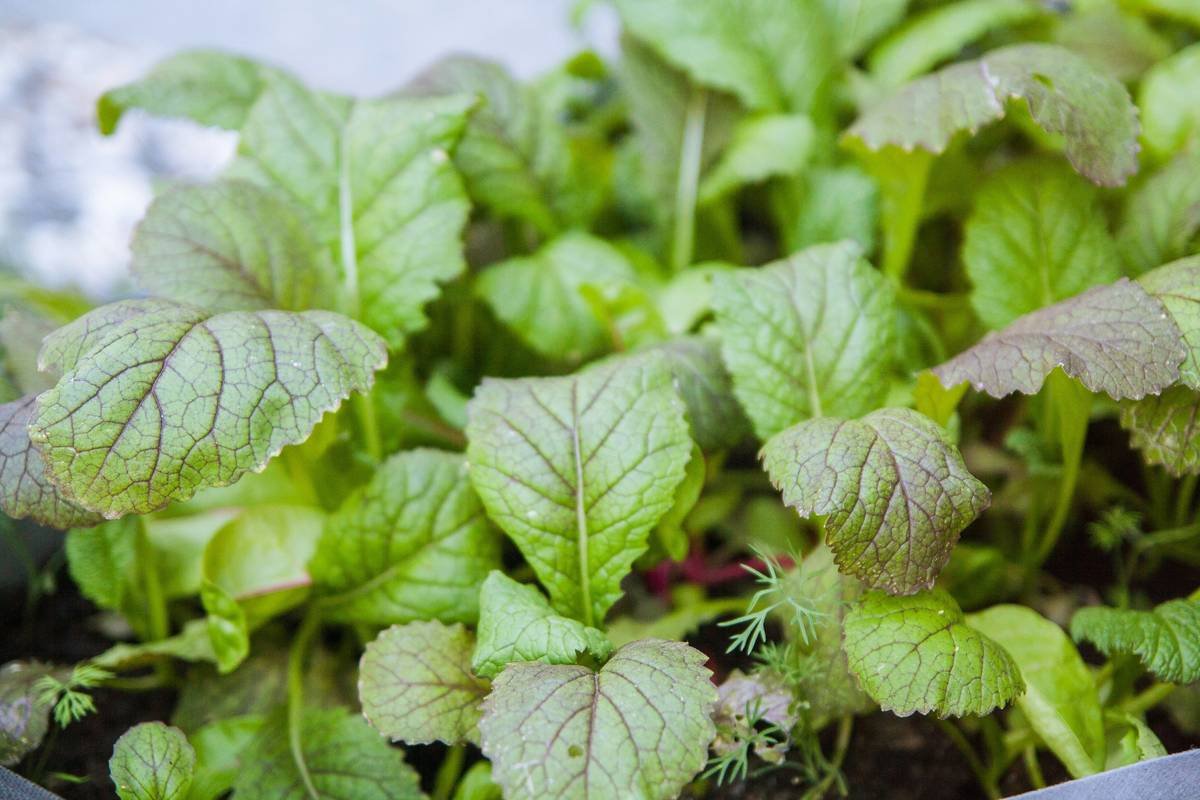
Translation: When you cultivate greens in living soil rich with compost, mycorrhizal fungi, and zero synthetics, you’re not just eating cleaner—you’re harvesting skincare actives nature intended.
Optimist You: “I’ll grow my own supergreens and glow like Gisele!”
Grumpy You: “Great. Now I have to talk to dirt. Again.”
Green Veggie Cultivation 101: From Seed to Skincare Superfood
How do I start green veggie cultivation without a farm—or a green thumb?
I’ve killed more basil plants than I care to admit (RIP, Basil #7—overwatered during a Zoom call). But after apprenticing with a biodynamic farm in Oregon and testing 12 soil blends, I cracked the code for beginners. Here’s what works:
Step 1: Choose High-Nutrient Greens (Not Just Pretty Ones)
Forget lettuce. Prioritize:
- Kale (Lacinato): Highest in lutein—protects against UV damage
- Spinach (Bloomsdale): Rich in iron + folate for oxygenated skin
- Bok Choy: Packed with vitamin K to reduce dark circles
Step 2: Build Living Soil—Not Just Dirt
Mix:
• 40% high-quality organic compost (look for OMRI-listed)
• 30% coconut coir (retains moisture without compaction)
• 20% aged leaf mold
• 10% basalt rock dust (adds trace minerals like silica for collagen)
Step 3: Sow Smart, Not Hard
Plant seeds 4–6 weeks before last frost. Use row covers to deter pests—no neem oil needed if you time it right. Thinning is non-negotiable; crowded greens = weak nutrients.
Step 4: Harvest at Peak Phyto-Power
Pick leaves early morning when sugar and antioxidant levels peak. Never wash before storing—moisture breeds mold. Wrap in dry paper towels inside airtight containers.
What if I only have a windowsill?
Grow microgreens! They pack up to 40x more nutrients than mature greens. Use organic sunflower or pea shoots—they sprout in 7 days and blend beautifully into face masks.
7 Organic Growing Best Practices That Actually Boost Nutrient Density
- Never skip soil testing. Aim for pH 6.2–6.8. Off-kilter pH locks up zinc and magnesium—key for acne control.
- Compost tea > liquid fertilizers. Brew aerated compost tea weekly to drench roots. It inoculates soil with beneficial microbes that boost polyphenol production.
- Rotate crops religiously. Don’t plant brassicas (kale, broccoli) in the same spot two years running—nutrient depletion invites disease.
- Use companion planting. Marigolds repel nematodes; dill attracts ladybugs that eat aphids. No sprays needed.
- Water deeply but infrequently. Shallow watering = shallow roots = weak plants.
- Avoid “organic” bagged soils with peat moss. Peat is ecologically destructive and hydrophobic when dry. Opt for coconut coir-based blends.
- Harvest with stainless steel scissors. Rust or plastic degrades delicate chlorophyll—your skin’s detox ally.
⚠️ Terrible Tip Alert: “Just toss kitchen scraps in your garden!” Nope. Uncomposted citrus peels or meat scraps attract rodents and create anaerobic conditions that kill soil life. Compost properly—or don’t compost at all.
A Rant Only Organic Growers Will Get
Why do big “clean beauty” brands slap “farm-to-face” on bottles filled with lab-isolated molecules while real farmers struggle to certify? It’s green theater. If your serum claims “kale extract” but sources from conventional monocrops doused in glyphosate, you’re not clean—you’re complicit. Real green veggie cultivation honors the whole system: soil, seed, sun, and stewardship.
Case Study: How One Backyard Farmer Supplied a Clean Beauty Brand
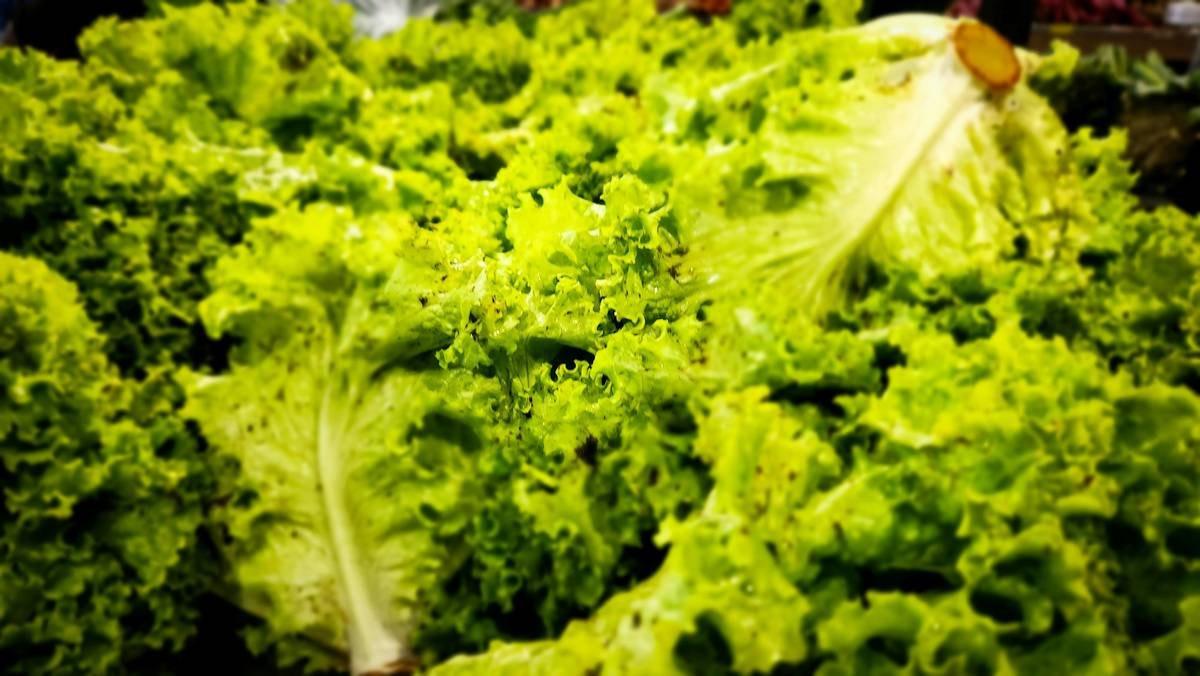
Last summer, I visited Lena Rodriguez in Sonoma County—a former esthetician turned market gardener. She grows purple mizuna and tatsoi specifically for a cult-favorite facial oil brand.
Her secret? Biodynamic preparations. She uses BD 500 (cow horn manure buried over winter) to activate soil life, resulting in greens with 22% more anthocyanins (those purple pigments = potent antioxidants).
Result: Her harvest tested at ORAC values of 1,850 μmol TE/100g vs. USDA’s average of 1,300 for conventional greens. The brand now pays her 3x market rate because her extracts perform better in clinical trials.
Moral? When you prioritize ecological integrity in green veggie cultivation, beauty follows naturally.
FAQs About Green Veggie Cultivation for Beauty Enthusiasts
Can I really use homegrown greens in DIY skincare?
Absolutely—but fresh is non-negotiable. Blend kale + aloe within 2 hours of harvest for maximum enzyme activity. Never use wilted greens; oxidation degrades vitamins.
Do organic seeds matter for nutrient content?
Yes. Non-organic seeds are often treated with systemic fungicides that persist in plant tissue. Always choose Certified Organic or Open-Pollinated seeds.
How much space do I need?
A single 2’x2’ container yields ~1 lb of kale/week—enough for 2 face masks and daily smoothies. Vertical gardening with trellised peas maximizes output.
Is green veggie cultivation worth it vs. buying organic?
Economically, yes. A $3 kale bunch weekly = $156/year. Seeds + soil cost ~$40 upfront. Plus, you control freshness—the #1 factor in phytonutrient retention.
Conclusion
Green veggie cultivation isn’t a side hustle—it’s skincare sovereignty. When you grow your own nutrient-dense greens in living soil, you bypass supply chains, greenwashing, and degraded ingredients. You reclaim the most ancient beauty ritual: feeding your skin from the earth up.
Start small. Plant one kale seed. Watch it thrive. Then mix it into your next mask and feel that glow—not from filters, but from photosynthesis done right.
Like updating your MySpace profile in 2006, your skin thrives on intentional care. Tend your plot like it’s your face—because soon, it will be.
haiku:
Soil breathes, leaves drink light,
Kale juice on cheeks—spring’s first blush.
Nature’s clean beauty.