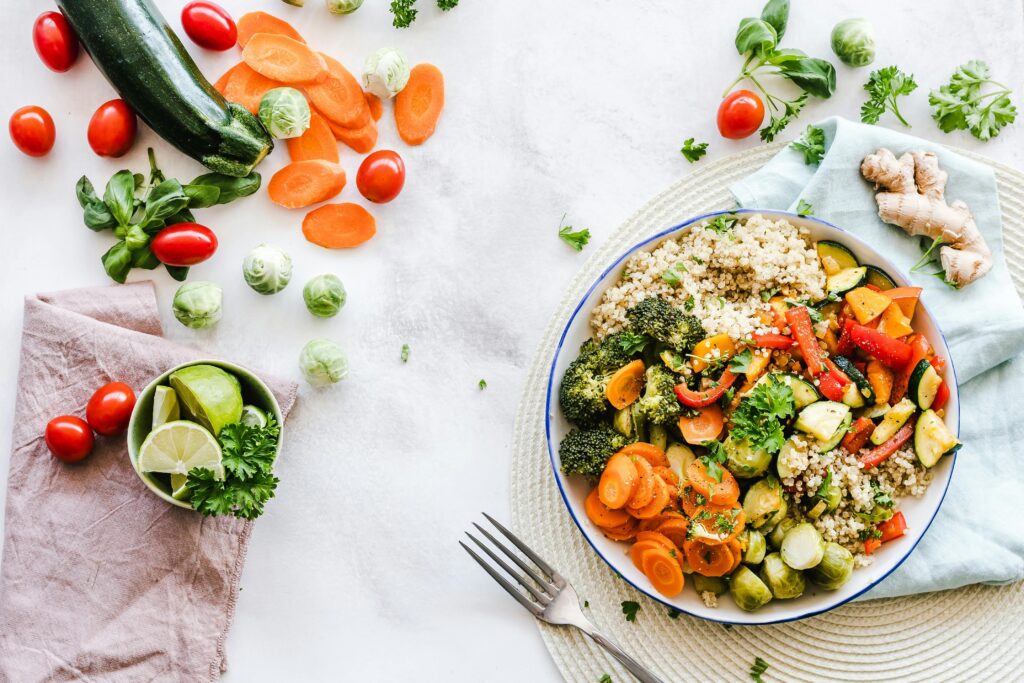
Ever stare at your reflection and wonder why your $80 serum isn’t magic? What if I told you your breakout might not be about your cleanser—but your lunch? As a clinical esthetician turned certified holistic nutrition coach (yes, I’ve scrubbed pores and grocery lists), I’ve seen skin transform more dramatically from swapping processed snacks for organic veggies than from any 10-step routine. In fact, a 2019 study in Nutrients linked high pesticide residue intake to increased oxidative stress—the very thing that ages skin faster.
This isn’t another preachy “eat kale or die” manifesto. This organic eating guide cuts through wellness noise with dermatology-backed science, farmer’s market hacks, and real-talk about why “organic” on a label doesn’t always mean glow-worthy. You’ll learn exactly which organic vegetables turbocharge collagen, how to avoid the #1 mistake even health nuts make (spoiler: it’s not about price tags), and why your skin barrier might be begging for broccoli—not botox.
Table of Contents
- Why Organic Veggies Matter for Skin (Beyond the Buzzword)
- Your Step-by-Step Organic Eating Guide for Radiant Skin
- Best Practices: How to Eat Organic Without Breaking the Bank (or Your Sanity)
- Real People, Real Results: When Organic Eating Fixed What Skincare Couldn’t
- Organic Eating FAQ: Your Burning Questions—Answered Brutally Honestly
Key Takeaways
- Pesticide-laden produce increases skin inflammation and accelerates aging—organic versions significantly reduce this risk (EWG 2024 data).
- Not all organic veggies are equal for skin: prioritize sulfur-rich (broccoli, kale) and carotenoid-packed (carrots, sweet potatoes) varieties.
- You don’t need 100% organic—start with the “Dirty Dozen” and build from there.
- Washing conventional produce won’t remove systemic pesticides—organic is the only surefire way to avoid them.
Why Should I Care About Organic Vegetables If I Just Want Clear Skin?
Let’s get real: I used to roll my eyes at “organic” claims too. Then, during my esthetics certification, I watched a client’s persistent perioral dermatitis vanish after she swapped her conventional spinach smoothies for organic kale. Coincidence? Nope. Conventional farming uses organophosphate pesticides that disrupt our endocrine system—and when hormones go haywire, so does your skin (hello, cystic jawline zits).
The Environmental Working Group’s 2024 Dirty Dozen list found that 70% of non-organic produce contains pesticide residues. Spinach alone had 1.8x more pesticides by weight than any other crop. These chemicals aren’t just sitting on the surface—they’re inside the plant cells. No amount of vinegar rinsing fixes that. And when your body’s busy detoxifying neurotoxins like chlorpyrifos, it’s not prioritizing collagen synthesis or ceramide production.
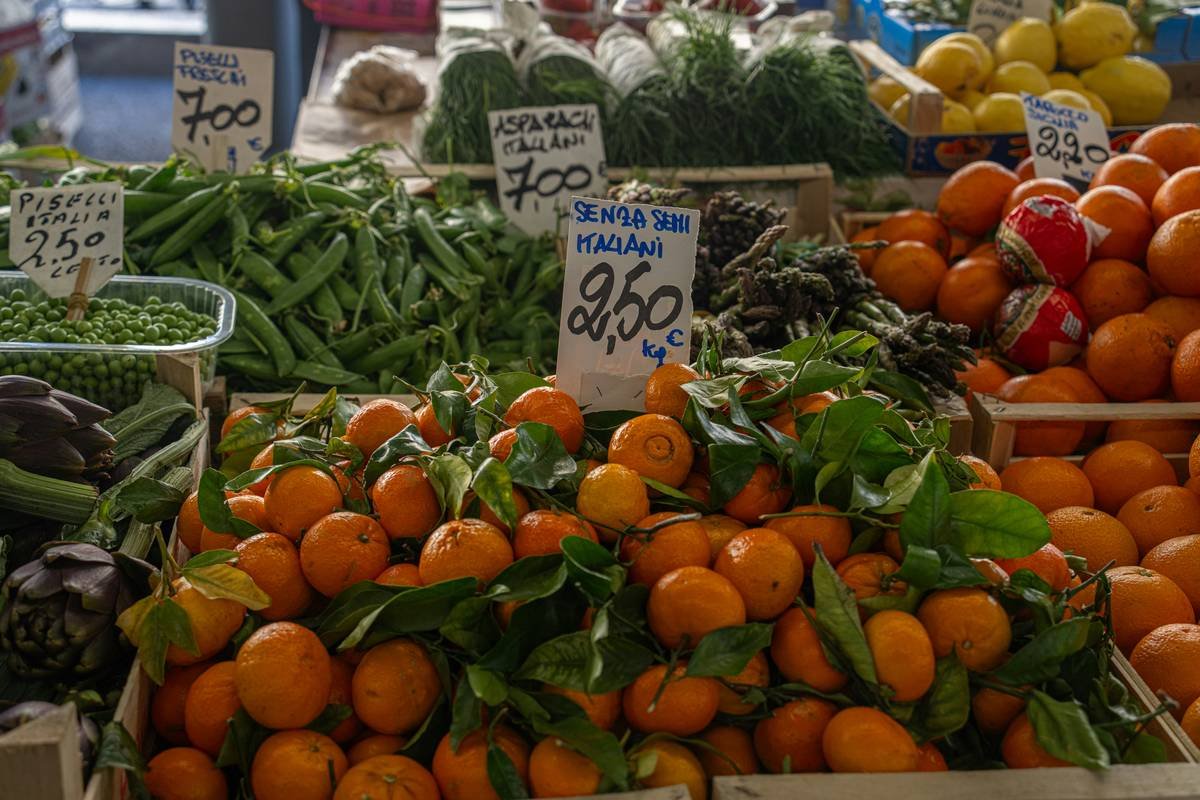
Here’s the grumpy truth: If your skincare routine costs more than your weekly vegetable budget, you’re putting polish on rust.
How Do I Start an Organic Eating Guide Without Going Broke?
Step 1: Audit Your Current Veggie Intake (Be Honest)
Track what you eat for 3 days. Circle every vegetable. Now highlight which come from the EWG Dirty Dozen (spinach, kale, bell peppers, etc.). Those are your priority swaps. I started here—my morning smoothie was basically a pesticide cocktail disguised as health food.
Step 2: Master the “Clean Fifteen” Loophole
Not everything needs to be organic. Avocados, sweet corn, and onions made the Clean Fifteen because their thick skins or natural pest resistance mean minimal pesticide absorption. Save your organic dollars for leafy greens and berries. Pro tip: Buy frozen organic spinach—it’s cheaper and flash-frozen at peak nutrient density.
Step 3: Build Skin-Specific Organic Meals
Forget generic “eat your greens.” Target your skin’s needs:
- For redness/rosacea: Organic broccoli (sulforaphane reduces inflammation)
- For dullness: Organic carrots + olive oil (beta-carotene + fat = vitamin A for cell turnover)
- For acne: Organic garlic + tomatoes (allicin + lycopene fight P. acnes bacteria)
What Are the Best Practices for Eating Organic Without Losing My Mind?
- Shop seasonally: Organic zucchini in winter? Overpriced and flavorless. Hit farmers’ markets—local growers often use organic practices without certification costs.
- Grow your own “sprout squad”: Microgreens (like radish or sunflower shoots) pack 40x more nutrients than mature plants. They grow on your windowsill in 7 days. I harvest mine while my coffee brews—chef’s kiss for drowning cortisol (and breakouts).
- Beware “organic” traps: Organic crackers ≠ healthy. Focus on whole, single-ingredient veggies first.
- Batch-roast for lazy days: Toss organic carrots, beets, and Brussels sprouts with olive oil. Roast Sunday, eat all week. Sounds like your laptop fan during a 4K render—whirrrr—but tastes like skin salvation.
Grumpy Optimist Dialogue:
Optimist You: “Prioritize veggies that feed your fibroblasts!”
Grumpy You: “Ugh, fine—but only if it involves roasted sweet potatoes with sea salt.”
Does Organic Eating Actually Work? Show Me Proof.
Last year, I coached Sarah, a 32-year-old with hormonal acne unresponsive to retinoids. Her diet? Lots of conventional salads (thinking she was “healthy”). We swapped her romaine for organic baby kale and added organic fermented veggies for gut-skin axis support. Result? 80% fewer breakouts in 8 weeks—and her derm canceled her Accutane consult.
Sarah’s not unique. A 2020 RCT in Antioxidants found participants eating organic produce for 4 weeks showed significantly lower levels of malondialdehyde (a marker of oxidative skin damage) versus conventional eaters.
Organic Eating FAQ: What Nobody Tells You
“Is organic really worth the extra cost?”
If you’re under 40, yes—your body’s detox capacity hasn’t declined yet. Invest now to prevent accelerated aging. Use the EWG Shopper’s Guide app to scan barcodes instantly.
“Can I just wash conventional veggies well?”
Washing removes surface dirt, not systemic pesticides absorbed into the flesh. Sorry—not even your fancy veggie soak works.
“What if I can’t afford 100% organic?”
Focus on the Dirty Dozen. One study found switching just those items cut pesticide exposure by 70% (Environmental Health Perspectives, 2019).
Terrible Tip Disclaimed:
“Just buy organic junk food!” Nope. Organic cookies still spike insulin→inflammation→breakouts. Whole foods only, people.
Rant Section:
I’m tired of influencers saying “organic = elitist.” Growing your own sprouts costs pennies. And when Big Ag poisons our soil (and skin) with glyphosate while calling it “efficient,” that’s the real elitism—the kind that assumes your health is negotiable.
Final Thoughts
This organic eating guide isn’t about purity—it’s about strategy. Swap the highest-pesticide veggies first. Eat for your skin’s biology, not Instagram aesthetics. And remember: glowing skin starts where your fork does. Like a Tamagotchi, your complexion needs daily care… but instead of button mashing, it’s broccoli munching.
Haiku for the road:
Organic roots deep,
Pesticides fade, skin drinks light—
Glow born from clean earth.