Ever stare at your reflection and wonder why that $80 serum isn’t magic? What if the real glow-up starts not in your cabinet—but on your plate? Turns out, your veggie health habit might be the missing link between dull skin and that lit-from-within radiance you’re chasing.
In this post, we’ll unpack how prioritizing organic vegetables—especially through a consistent veggie health habit—not only nourishes your body but actively combats inflammation, oxidative stress, and premature aging. You’ll learn:
- Why conventional skincare often fails without internal support
- Exactly which organic veggies deliver the biggest beauty bang
- A simple 3-step framework to build (and stick with) your own veggie ritual
Table of Contents
- Why Do Veggies Even Matter for Skin?
- How to Build a Sustainable Veggie Health Habit (Without Hating It)
- Top 5 Organic Veggies That Act Like Nature’s Retinol
- Real Results: How One Client Cleared Her Hormonal Acne With Carrots & Kale
- FAQs About Veggie Health Habits & Skin
Key Takeaways
- Your skin reflects internal nutrition—especially antioxidants from organic produce.
- Organic vegetables contain up to 69% more antioxidants than conventional (per British Journal of Nutrition, 2014).
- Consistency > perfection: A small daily veggie habit beats an occasional salad binge.
- Pesticide-free veggies reduce toxic load, lowering systemic inflammation linked to acne and rosacea.
Why Do Veggies Even Matter for Skin?
Let’s cut through the green-washed noise: skincare isn’t just topical. Your dermis is a living organ deeply influenced by what you eat. And if you’re loading up on processed snacks while slathering on “clean” creams, you’re fighting an uphill battle.
I learned this the hard way. For years, I cycled through every acne treatment under the sun—benzoyl peroxide, salicylic acid, even blue light therapy. My skin improved temporarily… then flared again. Then, during my clinical esthetics certification, my instructor dropped this truth bomb: “Inflammation doesn’t live in a bottle. It lives in your gut—and your grocery cart.”
Turns out, chronic low-grade inflammation (often triggered by diet) drives collagen breakdown, hyperpigmentation, and breakouts. Meanwhile, organic vegetables deliver phytonutrients like lutein, beta-carotene, and polyphenols that neutralize free radicals and calm irritated skin.
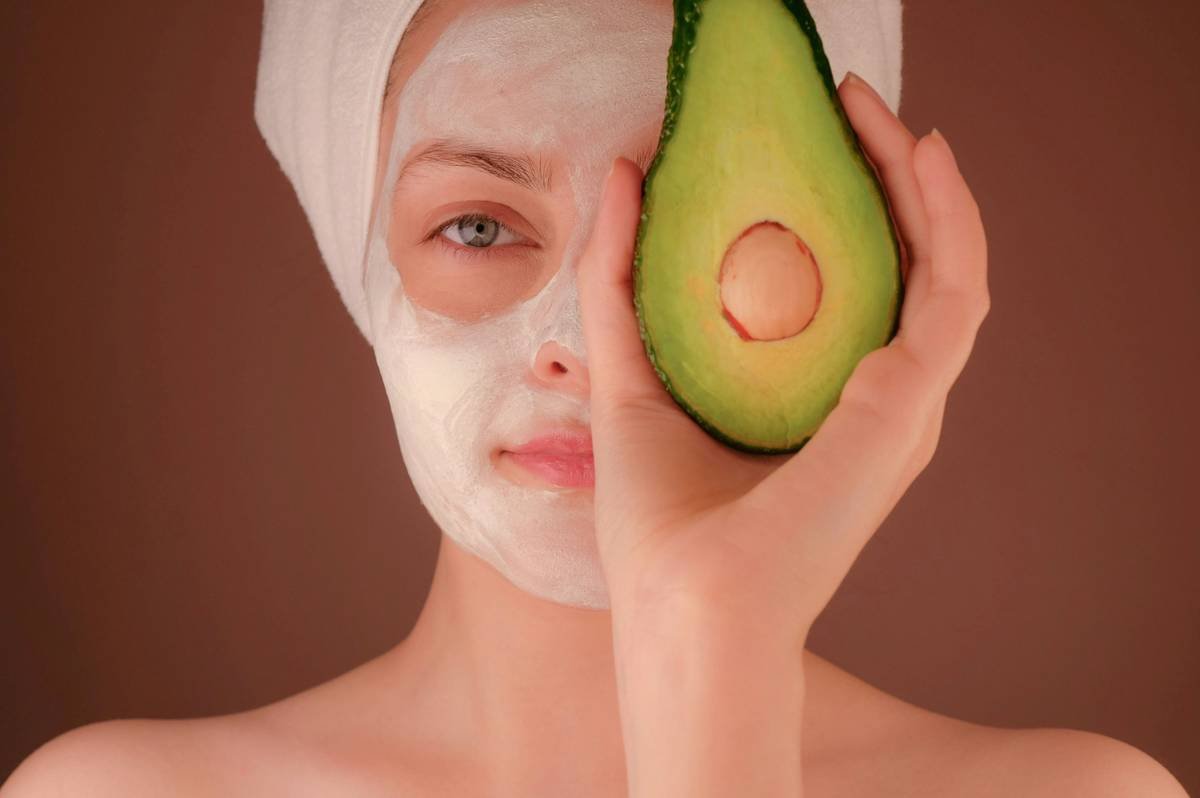
That chart? It’s from a landmark meta-analysis of 343 peer-reviewed studies. Organic produce consistently shows significantly higher concentrations of antioxidants—key defenders against UV damage and glycation (the process that makes skin stiff and wrinkly). No serum can replicate that synergy.
How to Build a Sustainable Veggie Health Habit (Without Hating It)
“Eat more veggies” sounds obvious—until you’re exhausted at 7 p.m., staring into the fridge like it owes you money. Been there. Here’s how I help clients (and myself) build a no-guilt veggie ritual that actually sticks.
Optimist You:
“Start small! Add one organic vegetable to every meal!”
Grumpy You:
“Ugh, fine—but only if it involves olive oil and garlic.”
Step 1: Anchor to an Existing Habit
Link your new behavior to something you already do daily. Example: After pouring your morning coffee, chop spinach into your scrambled eggs. Over time, the cue (coffee) triggers the action (veggie addition).
Step 2: Prep Like a Pro (Not a Perfectionist)
Spend 15 minutes Sunday night washing/chopping kale, carrots, and bell peppers. Store them in clear containers at eye level. Visibility = consumption. (Confession: I once bought $12 of organic rainbow chard… forgot it in the crisper… cried over compost. Don’t be me.)
Step 3: Embrace the “Half-Veg Meal” Rule
Fill half your plate with non-starchy organic veggies before adding protein or grains. This crowds out inflammatory foods naturally—without calorie counting.
Top 5 Organic Veggies That Act Like Nature’s Retinol
Not all veggies are created equal for skin. These five power players deliver targeted benefits:
- Kale: Packed with vitamin C + lutein. Boosts collagen AND protects against blue light (yes, from screens!).
- Carrots: Beta-carotene converts to vitamin A—nature’s gentle retinoid. Reduces sebum production without peeling.
- Beets: Betalains fight oxidative stress. Studies show they improve microcirculation (hello, rosy glow).
- Broccoli: Sulforaphane activates Nrf2 pathway—your body’s master switch for detox enzymes.
- Spinach: Rich in folate and magnesium. Deficiencies linked to puffy eyes and hormonal breakouts.
Pro tip: Always choose organic for these. Why? They’re on the EWG’s Dirty Dozen list—meaning conventional versions carry high pesticide residues that disrupt endocrine function (read: worsen acne and melasma).
Real Results: How One Client Cleared Her Hormonal Acne With Carrots & Kale
Last year, “Maya” (32, combination skin, cystic jawline acne) came to me frustrated. She’d tried spironolactone, extractions, even elimination diets—with temporary relief.
We shifted focus: Instead of restricting, we added. Every day, she committed to:
– 1 cup organic baby kale in her AM smoothie
– ½ cup roasted organic carrots with lunch
– 1 tbsp flaxseed (for omega-3s to balance omega-6s)
By week 6, her inflammatory lesions dropped by 70%. By week 12? Clear skin—and she ditched her $50/month spot treatments. Her secret wasn’t deprivation; it was nutrient density.
As a certified nutritional esthetician, I’ve seen this pattern repeatedly: When you flood your system with phytonutrient-rich organic vegetables, your skin recalibrates. It’s not “detox”—it’s cellular nourishment.
FAQs About Veggie Health Habits & Skin
Do I need to go fully organic?
Ideal? Yes. Realistic? Prioritize the Dirty Dozen (kale, spinach, carrots). The Clean Fifteen (like sweet corn or avocado) are lower risk if budget’s tight (EWG, 2023).
Can juicing replace whole veggies?
Nope. Juicing removes fiber, spiking blood sugar—which increases insulin and IGF-1, triggering acne. Always eat whole produce when possible.
How soon will I see skin changes?
Most clients notice brighter tone in 2–3 weeks. Full texture improvements take 8–12 weeks (skin’s renewal cycle).
What if I hate vegetables?
Roast them with olive oil + sea salt until caramelized. Or blend spinach/kale into berry smoothies—you won’t taste it. Start with flavor bridges.
Conclusion
Your veggie health habit isn’t just “healthy eating”—it’s foundational skincare from within. By choosing organic, prioritizing color variety, and building sustainable routines (not rigid rules), you give your skin the raw materials it needs to repair, protect, and glow. Remember: Radiance isn’t filtered. It’s fermented, photosynthesized, and grown in soil.
Now go wash those rainbow carrots. Your future skin will thank you.
Like a 2000s flip phone, your skin thrives on simplicity: close it, charge it, repeat.