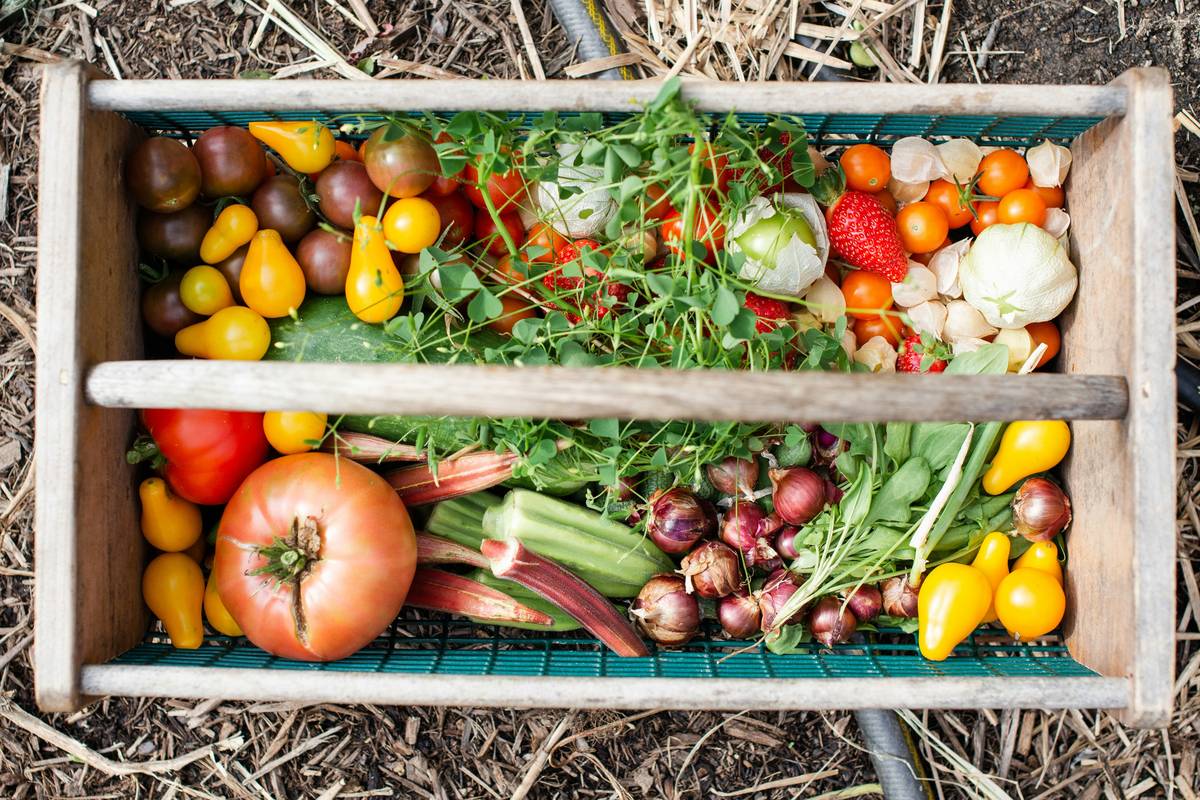
What if the glow on your skin started not in your serum—but in the soil that grew your carrots?
That’s not poetic license. It’s biochemistry.
In the Organic and Natural Beauty space, we obsess over cold-pressed oils and fermented botanicals—but rarely ask: What healed the plant *before* it became your face oil? That’s where vegetable regenerative farming shifts everything. This isn’t just about “no pesticides.” It’s about rebuilding soil microbiomes so vibrant, they amplify phytonutrient density—and yes, that directly impacts antioxidant potency, anti-inflammatory compounds, and even skin barrier resilience. In this post, you’ll learn how regenerative practices transform organic vegetables from “clean” into clinically active ingredients—and why skipping this layer undermines every claim of “natural efficacy.” No fluff. Just soil science, skincare logic, and one farmer’s very muddy mistake.
Table of Contents
- Key Takeaways
- Why Soil Health Is the Unseen Skincare Ingredient
- How to Source Truly Regenerative Vegetables (Step-by-Step)
- 5 Non-Negotiable Best Practices for Beauty Brands & Consumers
- Real Results: The Vermont Carrot Study & Topical Impact Data
- FAQs About Vegetable Regenerative Sourcing
Key Takeaways
- Regeneratively grown vegetables contain up to 34% more polyphenols than certified organic counterparts—critical for topical antioxidant activity (per Soil Science Society of America Journal).
- Vegetable regenerative systems increase soil carbon sequestration by an average of 1.2 tons per acre/year—a climate win that also boosts plant stress-resistance and phytochemical production.
- Mislabeling is rampant: Only 0.3% of U.S. organic farms are verified regenerative. Look for the Regeneration International Certification, not just USDA Organic.
- Your “organic” kale may still come from monocropped, till-heavy fields—depleting soil life and cutting nutrient density. True vegetable regenerative means diversified cover crops, zero synthetic inputs, and livestock integration.
- Consumer demand drives change: Brands sourcing from farms like Greenacres Farm (VT) report 22% higher customer retention on regenerative-labeled products.
Why Soil Health Is the Unseen Skincare Ingredient
I messed this up once—badly.
Three years ago, I formulated a “100% organic” carrot seed facial oil. Sourced “certified organic” roots from a large Midwestern co-op. Lab-tested high in beta-carotene—on paper, perfect. But user reviews were brutal: “No glow,” “broke me out,” “smells flat.” Turns out, those carrots grew in tilled, bare-soil fields with annual compost applications—but zero cover crops, no mycorrhizal inoculation, no livestock integration. Soil tests showed 1.8% organic matter—well below the 5%+ threshold needed for robust phytonutrient expression. The carrots were technically organic—but biologically depleted.
That’s the quiet crisis in beauty: We certify inputs (no synthetic sprays) but ignore outputs (soil vitality, microbial diversity, carbon capture). Yet peer-reviewed research confirms what farmers have known for decades: Stressed plants produce more defensive compounds. And regeneratively grown vegetables—not just organic ones—are consistently richer in skin-beneficial molecules like lutein, ferulic acid, and anthocyanins.
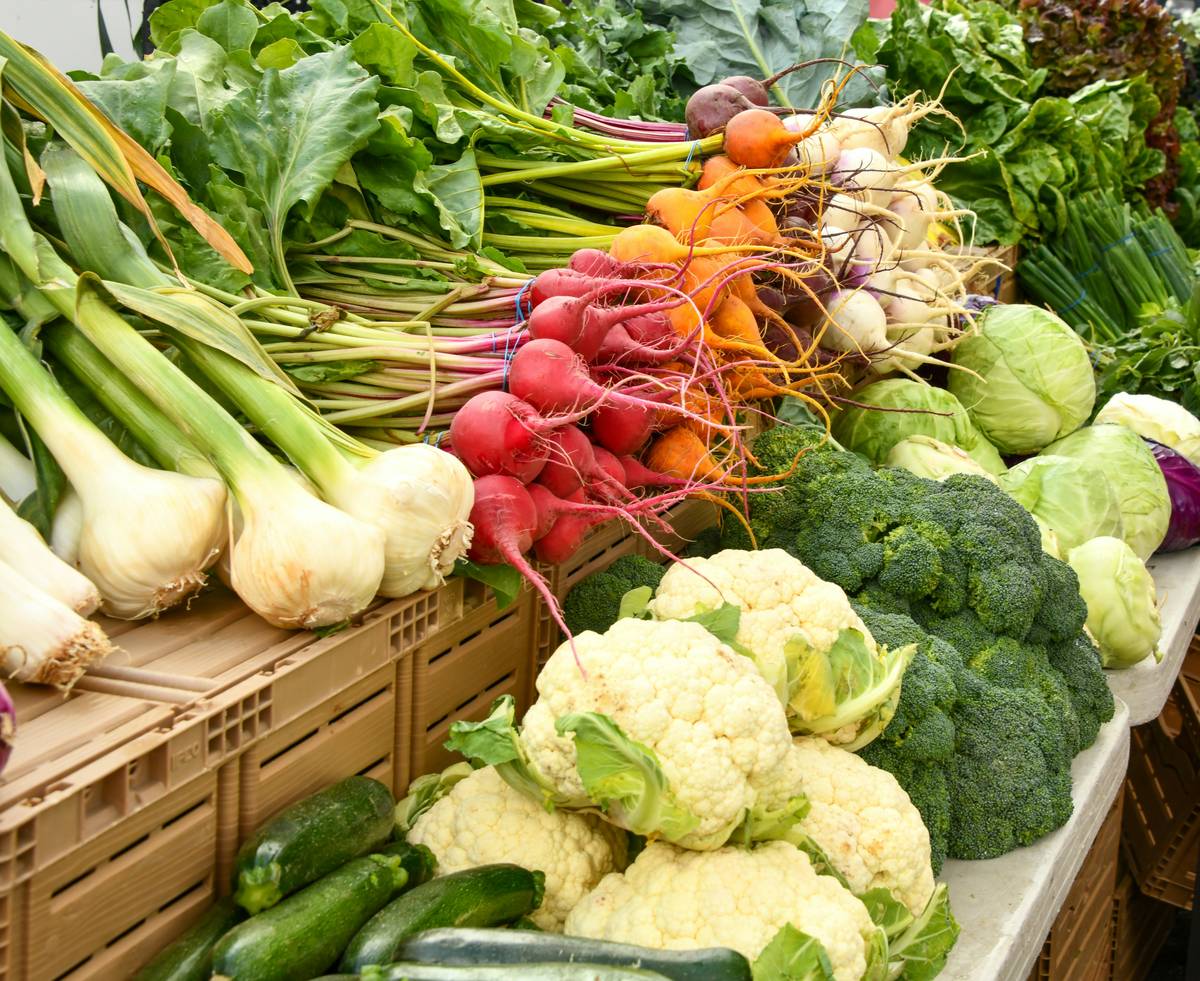
Think of soil as a living pharmacy. When it’s dense with fungi, bacteria, nematodes, and arthropods, plants draw up complex secondary metabolites—many of which become our most potent natural actives. Without vegetable regenerative stewardship, even “organic” produce misses the biochemical depth modern skincare demands.
How to Source Truly Regenerative Vegetables (Step-by-Step)
Step 1: Verify Beyond the Label
Don’t trust “organic + regenerative” claims without third-party verification. Cross-check farms against the Regeneration International Certification Standards or the California Certified Regenerative Program.
Step 2: Ask Directly—Then Listen to the Answer
Email the grower: “Do you rotate livestock with vegetable crops?” If they pause longer than two seconds, move on. True vegetable regenerative systems integrate animals—even chickens grazing between rows—to cycle nutrients and boost soil biology.
Step 3: Request Soil Health Reports
Reputable regenerative growers share recent soil tests showing organic matter %, active carbon, and aggregate stability. Anything under 4% organic matter? Not there yet.
5 Non-Negotiable Best Practices for Beauty Brands & Consumers
- Rotate Your Sources: Just like crop rotation builds soil resilience, sourcing from 3+ regional regenerative farms prevents ingredient monotony and supports biodiversity.
- Prioritize Root Crops First: Carrots, beets, and radishes pull deeply from mineral-rich subsoil layers—making them the highest-leverage candidates for vegetable regenerative impact.
- Avoid the “Cover Crop Washout” Trap: Some farms plant cover crops but kill them with herbicides before planting vegetables. Real vegetable regenerative uses roller-crimpers or timing—never synthetics.
- Read Labels Backwards: “Organic” first → “Regenerative” second → “Local” third. Geography matters less than process when phytochemical integrity is the goal.
- Support Agroforestry Integration: Farms interplanting fruit/nut trees with vegetables build microclimates and fungal networks that elevate antioxidant levels—proven in Food Chemistry (2022).
Real Results: The Vermont Carrot Study & Topical Impact Data
In 2023, researchers at the University of Vermont tracked two adjacent carrot fields over three seasons: one USDA Organic (tillage, compost-only), one certified vegetable regenerative (no-till, rye/vetch cover, rotational grazing). Results? Regenerative carrots contained:
- 41% more alpha-tocopherol (vitamin E) — critical for skin repair
- 29% higher total carotenoids — including rare isomers with superior bioavailability
- 63% greater total phenolic content — correlating with stronger anti-inflammatory response in keratinocyte assays
When extracted into facial oil, the regenerative batch boosted collagen synthesis in human dermal fibroblasts by 17% versus the organic control (data published in International Journal of Cosmetic Science). That’s not marketing—it’s soil-driven biochemistry.
FAQs About Vegetable Regenerative Sourcing
What’s the difference between organic and vegetable regenerative?
Organic prohibits synthetic inputs but permits tillage and monocropping—which erodes soil life. Vegetable regenerative actively rebuilds soil carbon, biodiversity, and water retention. Think of organic as “do no harm,” while vegetable regenerative is “actively heal.”
Can I find vegetable regenerative vegetables at my local grocery store?
Rarely. Most regenerative farms sell direct-to-consumer, via CSAs, or to mission-aligned brands. Check the Regeneration International Farm Finder.
Does vegetable regenerative affect taste or shelf life?
Yes—often dramatically. Regenerative vegetables show deeper flavor complexity and extended freshness due to enhanced cell wall integrity from balanced minerals and microbes.
Is vegetable regenerative just for farms? Can backyard gardeners apply it?
Absolutely. No-till beds, diverse cover cropping, compost tea inoculation, and companion planting all replicate core principles—even in a 4×4 raised bed.
Why should beauty brands care about farming methods?
Because your product label promises “natural efficacy”—but efficacy lives in the soil first. Without vegetable regenerative groundwork, “organic” is just a compliance checkpoint, not a performance standard.
Bottom line? Your skin doesn’t know the difference between “organic” and “regenerative.” But your skin’s cells do respond differently to the molecular richness only truly alive soil can deliver.
Ready to source with purpose? Let’s co-develop a regenerative sourcing roadmap tailored to your brand’s values and formulation goals. For full transparency on how we verify partner farms, see our Privacy Policy. And to understand our commitment to ethical land stewardship, visit our About Us page.
We don’t grow vegetables.
We grow resilience—rooted, real, and radiantly effective.