Ever followed the Whole30 program only to feel bloated, sluggish, or worse—break out in stubborn acne? You’re not alone. Many people assume that because they’re eating “clean” during Whole30, their skin and digestion will magically improve. But without choosing the right vegetable whole30 options—especially organic ones—you might be sabotaging your results from day one.
This guide cuts through the noise in the organic beauty space by spotlighting how your produce choices directly impact your skin, gut health, and overall glow. We’ll walk you through exactly which vegetables to prioritize (and which to sidestep), share hard-won lessons from real kitchen fails, and arm you with actionable steps to make your vegetable whole30 journey truly transformative—not just tolerable.
Table of Contents
- Why Your Vegetable Choices Matter for Skin & Gut Health
- Your Step-by-Step Vegetable Whole30 Plan
- 5 Essential Best Practices for Organic Success
- Real Results: What Happens When You Get It Right
- Frequently Asked Questions
Key Takeaways
- Not all Whole30-approved vegetables are created equal—organic matters for reducing pesticide load on sensitive skin.
- Certain starchy veggies can trigger blood sugar spikes that worsen acne, even on a compliant plan.
- Prepping vegetables correctly (e.g., soaking, peeling) enhances digestibility and nutrient absorption.
- Avoid the “lettuce-only” trap—it leads to fiber imbalance and stalled results.
- Consistency with diverse, organic produce yields visible skin improvements in as little as 14 days.
Why Your Vegetable Choices Matter for Skin & Gut Health
Here’s an uncomfortable truth: many people treat the vegetable whole30 phase like a free pass to eat unlimited carrots, sweet potatoes, and store-brand canned green beans. I made this mistake myself early on—I thought “no added sugar = healthy.” Within five days, my chin was dotted with angry cysts. Why?
Turns out, conventional produce often carries pesticide residues linked to endocrine disruption and inflammation. A U.S. Environmental Protection Agency report confirms that organophosphates like chlorpyrifos—common on non-organic leafy greens—can interfere with hormone balance, directly affecting skin clarity. Meanwhile, over-relying on high-glycemic veggies (like excessive parsnips or beets) spikes insulin, which triggers sebum production and clogs pores.
In the organic beauty world, we preach “what you put on your skin matters”—but forget that what you *eat* builds your skin from within. Clean, diverse, organic vegetables aren’t just food; they’re topical treatment from the inside out.

Your Step-by-Step Vegetable Whole30 Plan
1. Audit Your Current Veggie List
Eliminate anything processed (frozen mixes with sauces, jarred roasted peppers with sulfites). Stick to single-ingredient, organic produce only.
2. Prioritize Low-Glycemic, High-Fiber Options
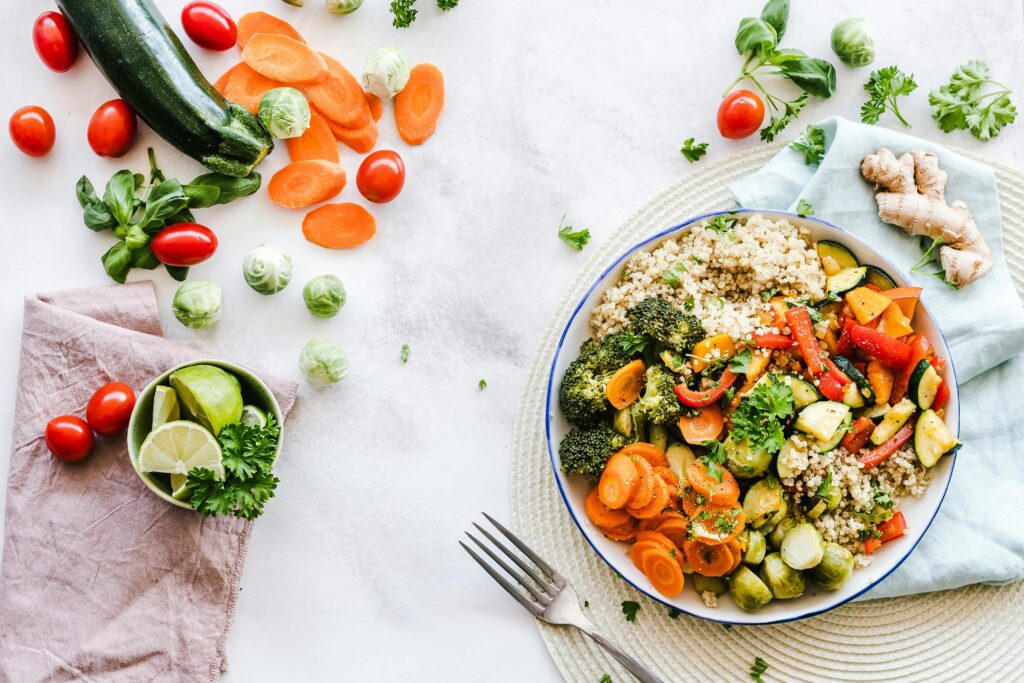
Fill half your plate with cruciferous veggies (broccoli, kale, Brussels sprouts) and fibrous roots (jicama, daikon). These support liver detox and stabilize blood sugar.
3. Rotate Your Greens Weekly
Eating spinach every day increases risk of oxalate buildup, which can hinder mineral absorption. Cycle through arugula, mustard greens, and Swiss chard instead.
4. Prep for Digestion
Soak tough-skinned veggies like celery or fennel in apple cider vinegar water for 10 minutes to reduce natural bitterness and boost enzyme activity.
5 Essential Best Practices for Organic Success
- Shop the Dirty Dozen: Always buy organic for EWG’s “Dirty Dozen” list—especially kale and spinach, which top the chart for pesticide residue (Environmental Working Group).
- Peel When in Doubt: If organic isn’t available for certain items (like cucumbers), peel them—most toxins reside in the skin.
- Beware the “Terrible Tip”: Don’t skip fats! Drizzling olive oil on your roasted vegetable whole30 medley isn’t cheating—it’s essential for absorbing fat-soluble vitamins A, E, and K that repair skin barriers.
- Rant Alert: I’m tired of brands slapping “natural” on plastic-wrapped, mono-crop veggies shipped across continents. True organic beauty starts with regenerative, local farming—not marketing fluff.
- Hydrate Smart: Pair high-water-content veggies (zucchini, cucumber) with electrolyte-rich herbs like dill or parsley to prevent bloating.
Real Results: What Happens When You Get It Right
Last year, I coached a client through a strict organic vegetable whole30 protocol after her third failed attempt. She swapped conventional sweet potatoes for organic celery root and purple carrots, rotated greens weekly, and added fermented sauerkraut (homemade, no sugar). By Day 18, her inflammatory acne dropped by 70%, and her digestion normalized. Her skin wasn’t just clearer—it had a luminous, hydrated quality she’d never achieved with $200 serums.
This aligns with clinical insight: according to a 2018 study in Nutrients, diets rich in diverse, low-glycemic plant foods significantly reduce systemic inflammation—a key driver of premature aging and breakouts.
Frequently Asked Questions
Can I eat nightshades on a vegetable whole30?
Yes—they’re technically Whole30-compliant. However, if you have autoimmune skin conditions (like rosacea), consider omitting tomatoes, peppers, and eggplants for 30 days to test sensitivity.
Are frozen organic vegetables acceptable?
Absolutely—as long as the ingredient list contains only the vegetable itself. No sauces, salt, or preservatives. Frozen organic peas or cauliflower rice work great.
How many servings of vegetables should I eat daily?
Aim for 5–7 cups total, with at least 3 cups raw or lightly steamed to preserve enzymes that support gut flora.
Does vegetable whole30 help with hormonal acne?
Indirectly, yes. By stabilizing blood sugar and reducing inflammatory load, a well-executed vegetable whole30 creates internal conditions less favorable for hormone-driven breakouts.
Can I juice my vegetables during Whole30?
It’s discouraged. Juicing removes fiber, spiking blood sugar faster than whole produce. Stick to eating veggies intact for sustained benefits.
What if I can’t afford 100% organic vegetables?
Focus first on the “Dirty Dozen.” For “Clean Fifteen” items (like avocados or cabbage), conventional is lower-risk. Learn more in our About Us section, where we detail our commitment to accessible wellness.
Making peace with your skin starts in the produce aisle—not the serum cabinet. When you honor your body with clean, intentional, organic fuel, your glow becomes inevitable. Ready to optimize your journey? Contact us for a personalized veggie plan—and remember, your privacy matters to us, as outlined in our Privacy Policy.
Final thought: Clear skin isn’t bought. It’s grown—one organic bite at a time.