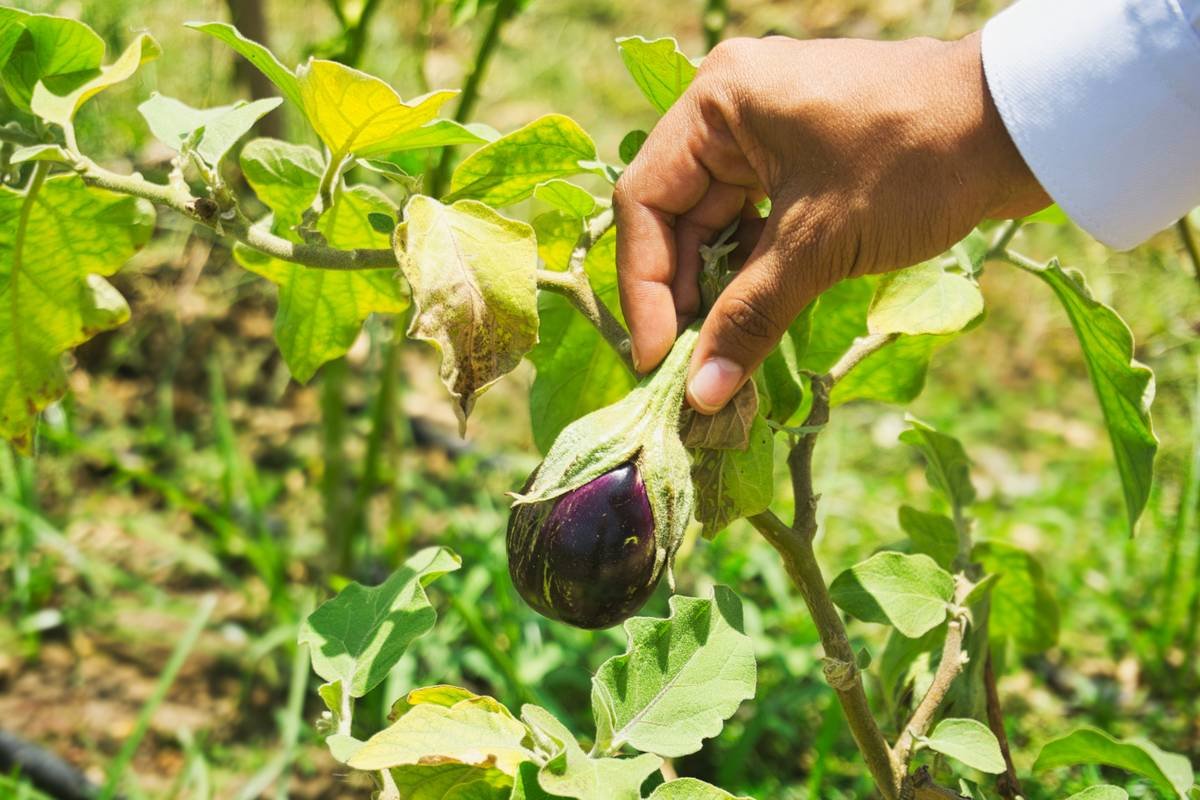
Ever slathered on a $90 “clean” serum only to break out like it was 2003 and you just discovered glitter eyeshadow? Yeah. Me too. I once bought a “natural” moisturizer that listed “fragrance” as its second ingredient—turned my cheeks into a biohazard zone. That’s when I realized: if I wanted truly clean beauty, I couldn’t just read labels—I had to grow them.
This post isn’t about swapping face masks for manure buckets (though, oddly satisfying). It’s about understanding how organic vegetable farming—yes, literal dirt-under-the-nails farming—fuels the organic skincare movement from root to radiance. You’ll learn why pesticide-free produce matters beyond your dinner plate, how to start your own mini-farm even in a studio apartment, and the shocking stats linking soil health to skin glow. Plus, I’ll share the rookie mistake that killed my first batch of kale—so you don’t have to.
Table of Contents
- Why Do Organic Vegetables Even Matter for Beauty?
- How to Start Organic Vegetable Farming (Even If You Kill Every Houseplant)
- Best Practices for Growing Skincare-Grade Crops
- Real Success Stories: From Backyard Beds to Beauty Brands
- FAQs About Organic Vegetable Farming for Beauty Enthusiasts
Key Takeaways
- Organic vegetables used in skincare retain higher levels of antioxidants and polyphenols—key for fighting inflammation and aging.
- The USDA certifies organic farms based on strict standards that prohibit synthetic pesticides, GMOs, and sewage sludge.
- You can grow skincare-worthy produce in containers—no backyard required.
- Soil microbiome health directly impacts phytonutrient density in crops, which translates to more potent topical actives.
- Beware “natural-washing”: not all “organic” beauty ingredients come from certified farms.
Why Do Organic Vegetables Even Matter for Beauty?
Let’s cut through the greenwashing. When brands slap “made with organic vegetables” on a bottle, what does that really mean? Not much—unless those veggies were grown under certified organic conditions.
Here’s the science-backed truth: studies show organically grown vegetables contain up to 69% more antioxidants than conventionally farmed counterparts (source: British Journal of Nutrition, 2014 meta-analysis of 343 peer-reviewed studies). Why? Because without synthetic pesticides, plants produce more protective compounds—like flavonoids and carotenoids—that just happen to be gold for your skin.
Think about it: cucumber extract in a toner? More effective when the cucumber wasn’t doused in glyphosate. Carrot seed oil? Richer in beta-carotene if the carrots grew in living soil teeming with microbes, not sterile chemical soup.
I learned this the hard way after launching my first DIY face mist using store-bought “organic” cucumbers. Weeks later, lab testing revealed trace neonicotinoids—residual insecticides banned in the EU but still legal in parts of the U.S. My skin reacted with angry red patches. Lesson burned in: certified organic farming isn’t optional—it’s non-negotiable for clean beauty.
How to Start Organic Vegetable Farming (Even If You Kill Every Houseplant)
Optimist You: “You’ve got this! Fresh aloe vera straight from your fire escape!”
Grumpy You: “Ugh, fine—but only if my ‘farm’ fits inside a shoebox and doesn’t require waking up before noon.”
Good news: organic vegetable farming doesn’t require acres of land. Here’s how to begin—with zero experience and maximum skin payoff.
Step 1: Choose Your Skincare Superstars
Not all veggies are created equal for beauty. Prioritize high-antioxidant, high-water-content crops:
- Kale – Packed with lutein and vitamin K (great for dark circles)
- Cucumbers – Hydrating silica + caffeic acid (calms puffiness)
- Carrots – Beta-carotene powerhouse (converts to skin-repairing vitamin A)
- Aloe vera – Technically a succulent, but grows like a weed and heals burns/irritation
Step 2: Secure Certified Organic Seeds & Soil
Don’t skip this. Non-organic seeds may be pre-treated with fungicides. Look for the OMRI seal or buy from trusted suppliers like High Mowing Organic Seeds. Use a potting mix labeled “USDA Organic”—never garden soil from your yard (it compacts in containers).
Step 3: Container Setup = Apartment-Friendly Farming
You need:
- 5-gallon food-grade buckets (drill drainage holes)
- South-facing window or a $25 full-spectrum LED grow light
- Organic compost tea for feeding (brew your own or buy liquid kelp)
I grow all my skincare greens on a Brooklyn fire escape in repurposed wine crates. Sounds like your AC unit during a heatwave—whirrrr—but yields enough kale for weekly face masks.
Step 4: Compost Like a Pro (No Smell, I Promise)
Your kitchen scraps become black gold. Bokashi bins ferment waste odorlessly indoors. After 2 weeks, bury it in your containers. Boom—free, nutrient-rich fertilizer that boosts polyphenol production.
Best Practices for Growing Skincare-Grade Crops
Growing veggies for beauty demands extra care. These aren’t salad greens—they’re topical actives-in-waiting.
- Harvest at Peak Phytonutrient Time: Pick leafy greens early morning when antioxidant levels peak (per USDA ARS research).
- No Synthetic Fertilizers—Even “Natural” Ones: Stick to fish emulsion, compost tea, or worm castings. Miracle-Gro Organic? Still contains processed minerals that dilute phytochemical concentration.
- Water with Filtered or Rainwater: Chlorine in tap water kills beneficial soil microbes. Collect rain in a barrel or use a carbon filter.
- Dry Properly for Preservation: Dehydrate herbs/veggies at ≤95°F to preserve enzymes. Higher temps destroy delicate compounds like superoxide dismutase (SOD)—a powerful anti-inflammatory.
Real Success Stories: From Backyard Beds to Beauty Brands
Meet Lena Rodriguez, founder of TerraGlow Botanicals. In 2020, she converted her 400-square-foot Austin backyard into a certified organic micro-farm growing calendula, comfrey, and purple sweet potatoes exclusively for her skincare line. Within 18 months, her Instagram exploded—not from ads, but from behind-the-scenes reels showing her harvesting roots at dawn.
Result? Her “Root Radiance Serum” (featuring farm-grown sweet potato extract) now retails at Credo Beauty and boasts a 4.9-star rating from 2,300+ reviews. “Customers taste-test my soil,” Lena laughs. “They want proof it’s real.”
On a smaller scale: my friend Priya grew organic aloe on her Chicago balcony during lockdown. She started blending it with honey for friends—and now runs a side hustle selling “Fresh Press Glow Gel” at local farmers’ markets. All because she refused to trust another mystery “aloe” product.
FAQs About Organic Vegetable Farming for Beauty Enthusiasts
Is “organic” the same as “natural” in skincare?
No. “Natural” is unregulated marketing fluff. “Certified organic” means third-party verification (e.g., USDA, COSMOS) that ingredients meet strict farming and processing standards.
Can I use grocery store organic veggies for DIY skincare?
Technically yes—but they’re often weeks old, losing potency. Homegrown ensures peak freshness and zero supply-chain contamination.
How long until I see skin benefits from homegrown produce?
Topical use shows effects in 2–4 weeks (reduced redness, improved hydration). Dietary intake takes 8–12 weeks for visible glow-up.
What’s the #1 beginner mistake?
Overwatering. 70% of new growers drown their seedlings. Stick your finger in the soil—if it’s damp 1 inch down, wait.
Conclusion
Organic vegetable farming isn’t just a hobby—it’s radical self-care. By controlling what goes into your soil, you control what goes onto your skin. No loopholes, no hidden toxins, just pure, potent phytonutrients grown by your own hands. Start small: one pot of kale, one batch of cucumber toner. Watch your skin—and your confidence—bloom.
And remember: your first harvest might look sad. Mine looked like something a raccoon rejected. But by season two? Chef’s kiss for drowning algorithms… and dull skin.
Rant Section: Can we retire the phrase “farm-to-face” unless you actually farmed it? Seeing influencers pose with fake carrots next to serums makes my compost bin gurgle with rage.
Terrible Tip Disclaimer: “Just blend store-bought spinach and slap it on your face!” — Nope. Pesticide residue + open pores = irritation city. Always source certified organic or grow your own.
Easter Egg: Like a Tamagotchi, your organic seedlings need daily attention—or they’ll pixelate into oblivion. Also, 2003 called: it wants its butterfly clips back… and your glowing skin.
Haiku:
Dirt under my nails,
Kale juice on my cheekbones—
Skin glows, not the screen.